
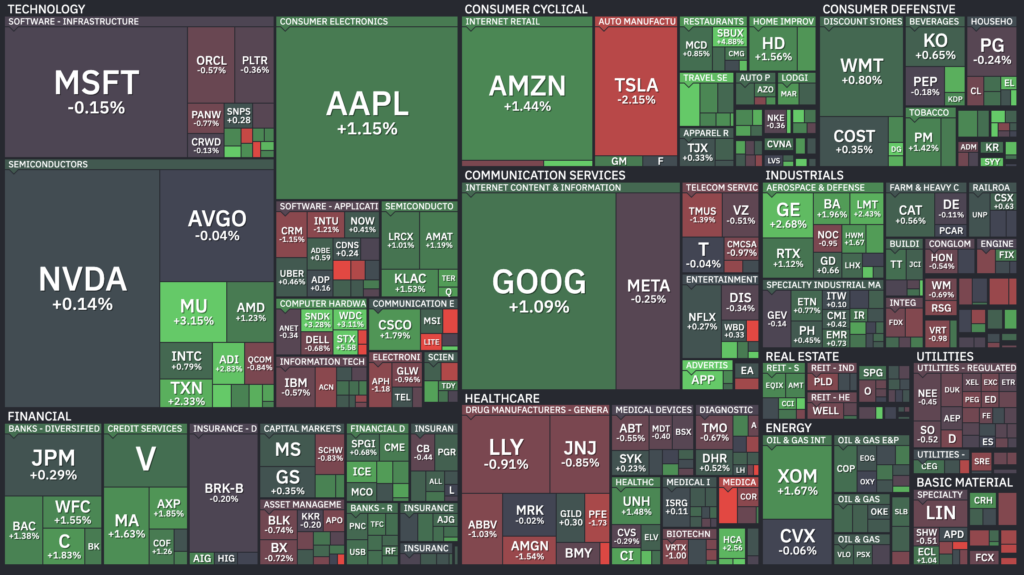
Geopolitical tension and inflation concerns kept investors on edge
U.S. stocks traded in a cautious and mixed tone as investors weighed geopolitical uncertainty in the Middle East against stronger-than-expected economic data.
The overall market message was clear: the economy remains resilient, but that strength may also keep inflation and interest-rate pressure alive.
1. Geopolitical risk remains a key market driver
The biggest overhang was the ongoing Iran-related geopolitical tension.
Although the negotiation deadline was extended, uncertainty remained high. President Trump signaled both pressure and a willingness to negotiate, leading the market to cautiously hope that an eventual exit strategy or de-escalation path could emerge.
Meanwhile, shipping activity through the Strait of Hormuz started to resume gradually, helping oil prices stabilize near the $110 level.
Still, investors are not treating this as full normalization. A prolonged conflict could quickly reignite fears of another oil spike and broader logistics disruption.
2. Strong jobs data, but rising inflation worries
The most important macro signal came from the March jobs report.
Payroll growth reached 178,000, well above expectations, reinforcing the view that the U.S. economy remains stronger than many had feared.
However, strong growth also brings a downside for markets.
The prices paid component of the ISM Services PMI jumped to its highest level since October 2022, reviving concerns that inflationary pressure, especially in the service sector, may be building again.
That means investors are not simply reading strong economic data as bullish.
Instead, the market is increasingly worried that a resilient economy may delay Federal Reserve rate cuts.
3. Stock and sector performance diverged sharply
At the stock level, Tesla and memory semiconductor names moved in opposite directions.
- Tesla came under pressure after JPMorgan sharply lowered its year-end price target and maintained a sell rating, adding to concerns over valuation and earnings outlook.
- In contrast, memory semiconductor stocks gained strength after Morgan Stanley argued that the memory supercycle could continue into 2027 and 2028, supported by strong AI demand and persistent supply-demand imbalance. That helped lift sentiment around names such as Micron.
This suggests the market is still rewarding AI and semiconductor growth themes, while becoming more selective in other high-profile sectors such as EVs.
4. All eyes are now on CPI
The next major catalyst is the March CPI report, due on the 10th.
Wall Street expects headline inflation to rise 3.4% year over year, and the result could play a decisive role in shaping both rate expectations and near-term market direction.
If CPI comes in hotter than expected, markets may face renewed pressure from higher yields and fading rate-cut hopes.
If inflation cools more than expected, investors could view it as a supportive signal for equities.
Adding to the cautious tone, JPMorgan CEO Jamie Dimon warned in his annual letter that persistent inflation and geopolitical risks could lead to higher market rates and lower asset prices.
5. Key takeaways
- Middle East tensions remain unresolved, though markets are still hoping for de-escalation
- Strait of Hormuz traffic recovery helped oil stabilize near $110
- March payrolls of 178,000 confirmed U.S. economic resilience
- ISM Services prices paid surged, reviving inflation concerns
- Tesla weakened after a major price-target cut
- Memory chip stocks gained on long-term AI demand optimism
- The March CPI report is the next major market-moving event
Wrap-up
The market is currently caught between hope for geopolitical easing and fear of sticky inflation.
Economic momentum remains solid, but that same strength may keep the Fed cautious for longer.
In the near term, investors will be closely watching
Middle East developments,
oil price trends,
and most importantly, the CPI report,
as the next direction for U.S. equities will likely depend on these three factors.