US Stock Market Wrap (April 6, 2026)

Geopolitical tension and inflation concerns kept investors on edge

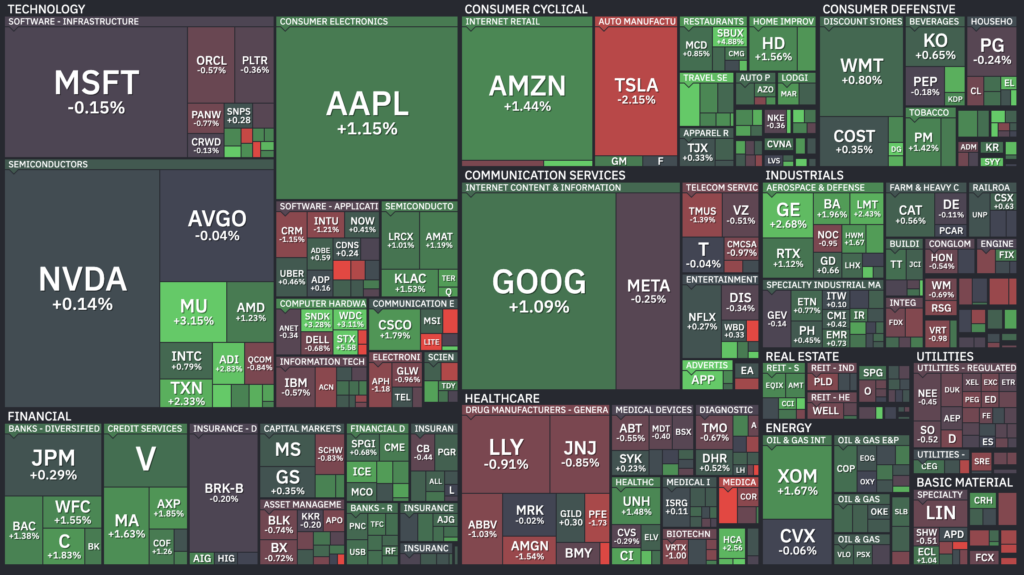
U.S. stocks traded in a cautious and mixed tone as investors weighed geopolitical uncertainty in the Middle East against stronger-than-expected economic data.
The overall market message was clear: the economy remains resilient, but that strength may also keep inflation and interest-rate pressure alive.


1. Geopolitical risk remains a key market driver

The biggest overhang was the ongoing Iran-related geopolitical tension.
Although the negotiation deadline was extended, uncertainty remained high. President Trump signaled both pressure and a willingness to negotiate, leading the market to cautiously hope that an eventual exit strategy or de-escalation path could emerge.

Meanwhile, shipping activity through the Strait of Hormuz started to resume gradually, helping oil prices stabilize near the $110 level.
Still, investors are not treating this as full normalization. A prolonged conflict could quickly reignite fears of another oil spike and broader logistics disruption.


2. Strong jobs data, but rising inflation worries

The most important macro signal came from the March jobs report.
Payroll growth reached 178,000, well above expectations, reinforcing the view that the U.S. economy remains stronger than many had feared.

However, strong growth also brings a downside for markets.
The prices paid component of the ISM Services PMI jumped to its highest level since October 2022, reviving concerns that inflationary pressure, especially in the service sector, may be building again.

That means investors are not simply reading strong economic data as bullish.
Instead, the market is increasingly worried that a resilient economy may delay Federal Reserve rate cuts.


3. Stock and sector performance diverged sharply

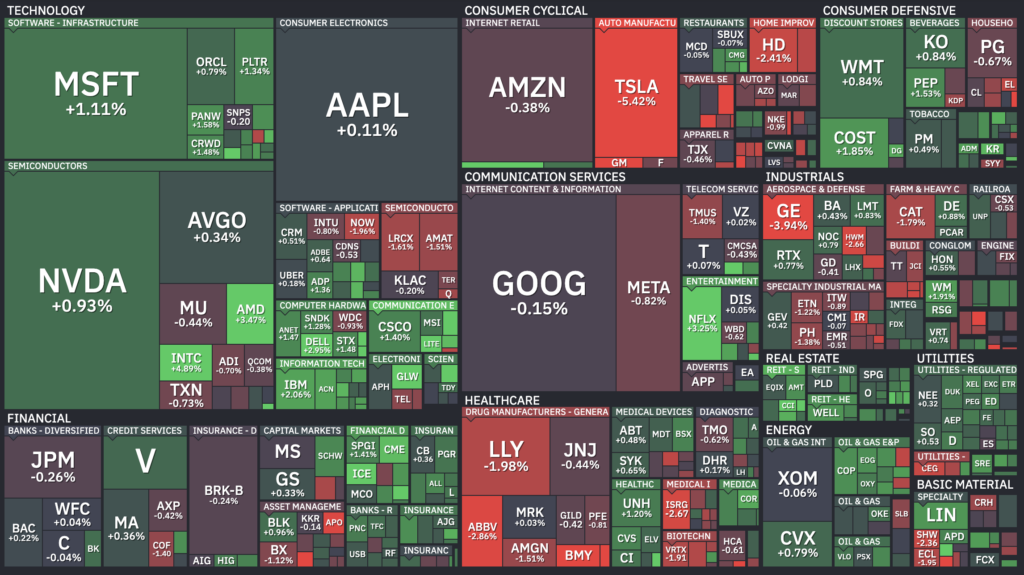
At the stock level, Tesla and memory semiconductor names moved in opposite directions.

  • Tesla came under pressure after JPMorgan sharply lowered its year-end price target and maintained a sell rating, adding to concerns over valuation and earnings outlook.
  • In contrast, memory semiconductor stocks gained strength after Morgan Stanley argued that the memory supercycle could continue into 2027 and 2028, supported by strong AI demand and persistent supply-demand imbalance. That helped lift sentiment around names such as Micron.

This suggests the market is still rewarding AI and semiconductor growth themes, while becoming more selective in other high-profile sectors such as EVs.


4. All eyes are now on CPI

The next major catalyst is the March CPI report, due on the 10th.
Wall Street expects headline inflation to rise 3.4% year over year, and the result could play a decisive role in shaping both rate expectations and near-term market direction.

If CPI comes in hotter than expected, markets may face renewed pressure from higher yields and fading rate-cut hopes.
If inflation cools more than expected, investors could view it as a supportive signal for equities.

Adding to the cautious tone, JPMorgan CEO Jamie Dimon warned in his annual letter that persistent inflation and geopolitical risks could lead to higher market rates and lower asset prices.


5. Key takeaways

  • Middle East tensions remain unresolved, though markets are still hoping for de-escalation
  • Strait of Hormuz traffic recovery helped oil stabilize near $110
  • March payrolls of 178,000 confirmed U.S. economic resilience
  • ISM Services prices paid surged, reviving inflation concerns
  • Tesla weakened after a major price-target cut
  • Memory chip stocks gained on long-term AI demand optimism
  • The March CPI report is the next major market-moving event

Wrap-up

The market is currently caught between hope for geopolitical easing and fear of sticky inflation.
Economic momentum remains solid, but that same strength may keep the Fed cautious for longer.

In the near term, investors will be closely watching
Middle East developments,
oil price trends,
and most importantly, the CPI report,
as the next direction for U.S. equities will likely depend on these three factors.
2026년 4월6일 미국증시 마감 시황

지정학적 리스크와 인플레이션 경계감이 동시에 시장을 흔든 하루

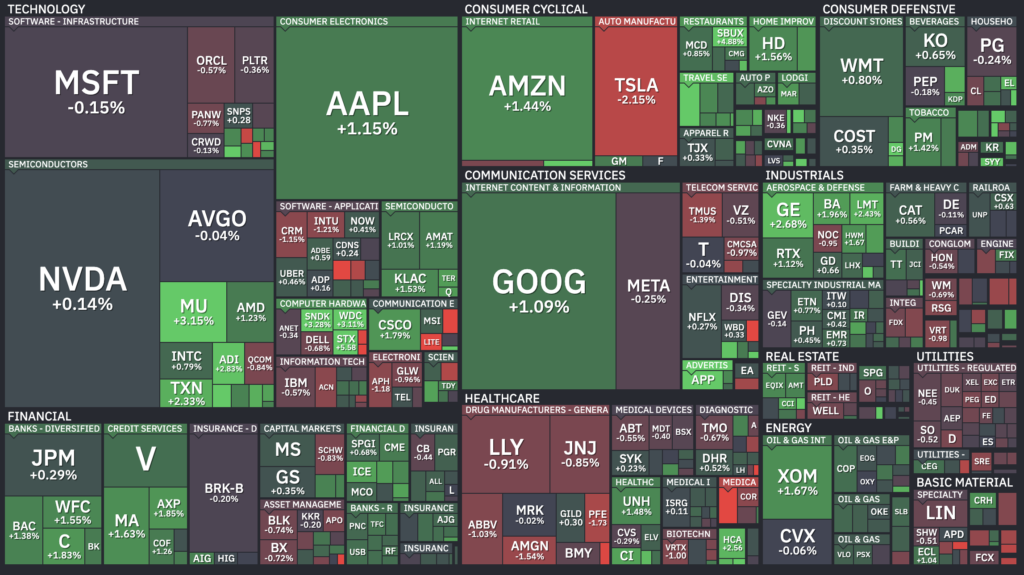
미국 증시는 중동 지정학적 불안과 예상보다 강한 경제 지표가 맞물리며, 상승 동력과 부담 요인이 혼재된 흐름을 보였습니다.
시장은 전반적으로 **“경기는 강하지만, 그만큼 물가와 금리 부담도 커질 수 있다”**는 해석에 무게를 두는 모습이었습니다.


1. 중동 리스크, 아직 끝나지 않았다

가장 큰 변수는 여전히 이란 관련 지정학적 위기였습니다.
협상 시한이 연장된 가운데, 트럼프 대통령은 강경한 압박과 협상 의지를 동시에 내비치고 있습니다. 이에 따라 시장은 단기적으로는 긴장을 의식하면서도, 결국에는 출구 전략이나 철수 가능성이 선택될 수 있다는 기대도 일부 반영하고 있습니다.

한편 호르무즈 해협의 선박 통행이 조금씩 재개되면서 국제유가는 110달러 선에서 다소 안정되는 흐름을 보였습니다.
다만 시장은 이를 완전한 안정으로 받아들이기보다, 전쟁 장기화 시 유가 재급등과 물류 차질이 재차 불거질 수 있다는 점을 여전히 경계하고 있습니다.


2. 고용은 강했지만, 물가 우려는 더 커졌다

이번 시장에서 가장 중요했던 경제 지표는 3월 고용보고서였습니다.
신규 고용이 17만 8,000개로 예상치를 크게 웃돌며, 미국 경제가 예상보다 훨씬 견조하다는 점을 다시 확인시켜줬습니다.

문제는 강한 경기 흐름이 곧바로 인플레이션 부담으로 연결될 수 있다는 점입니다.
특히 ISM 서비스업 PMI의 지불가격 지표가 2022년 10월 이후 최고 수준까지 급등하면서, 서비스 물가 중심의 인플레이션 압력이 다시 커질 수 있다는 우려가 부각됐습니다.

즉, 시장은 좋은 고용 지표를 단순 호재로 해석하기보다,
**“경기가 강하면 연준이 금리를 쉽게 내리지 못할 수 있다”**는 시각으로 받아들이는 분위기입니다.


3. 종목별 흐름은 엇갈렸다

개별 종목에서는 테슬라와 반도체 업종의 온도차가 뚜렷했습니다.

  • 테슬라는 JP모건이 연말 목표주가를 큰 폭으로 낮추고 매도 의견을 제시하면서 투자심리가 위축됐습니다.
    성장 기대보다 밸류에이션과 실적 우려가 더 크게 반영된 모습입니다.
  • 반면 메모리 반도체 업종은 강세를 보였습니다.
    모건스탠리가 AI 수요 확대와 수급 불균형을 근거로 메모리 반도체 슈퍼사이클이 2027~2028년까지 이어질 수 있다고 전망하면서, 마이크론 등 관련 종목에 매수세가 유입됐습니다.

결국 이날 시장은 지수 전체보다도,
AI와 반도체 같은 성장 테마는 살아 있고, 전기차 등 일부 종목은 차별화 압력을 받는 장세로 볼 수 있습니다.


4. 앞으로의 핵심 변수는 CPI

이제 시장의 시선은 **오는 10일 발표될 3월 CPI(소비자물가지수)**로 향하고 있습니다.
월가에서는 전년 대비 3.4% 상승을 예상하고 있으며, 이 결과가 향후 금리 전망과 증시 방향을 결정할 가능성이 큽니다.

만약 CPI가 예상보다 높게 나온다면,
시장금리 상승과 함께 증시 조정 압력이 커질 수 있습니다.
반대로 물가가 예상보다 안정적으로 나온다면, 연준의 정책 부담이 완화되며 증시에 안도 랠리가 나타날 여지도 있습니다.

여기에 제이미 다이먼 JP모건 CEO 역시 연례 서한을 통해,
지속적인 인플레이션과 지정학적 위험이 시장 금리 상승과 자산 가격 하락으로 이어질 수 있다고 경고했습니다.


5. 한눈에 보는 오늘의 핵심

  • 중동 리스크는 완전히 해소되지 않았지만, 시장은 일부 출구 전략 가능성도 반영
  • 호르무즈 해협 통행 재개로 유가는 일단 110달러 선에서 안정
  • 3월 신규 고용 17만 8천 건으로 미국 경기 회복력 확인
  • ISM 서비스업 가격 지표 급등으로 인플레이션 우려 재부각
  • 테슬라는 목표주가 하향 여파로 약세
  • 메모리 반도체는 AI 수요 기대 속 강세
  • 다음 핵심 이벤트는 3월 CPI 발표

마무리

현재 시장은 지정학적 불안 완화 기대끈질긴 인플레이션 우려 사이에서 줄다리기를 하고 있습니다.
경기 자체는 견조하지만, 그 강한 경기 흐름이 오히려 금리 인하 기대를 늦추는 역설적인 상황입니다.

따라서 당분간 시장은
중동 리스크의 전개,
국제유가 흐름,
그리고 CPI 결과에 따라 변동성이 크게 확대될 가능성이 높습니다.

US Stock Market Wrap (April 2, 2026)

1. Trump’s Speech and Market Shock

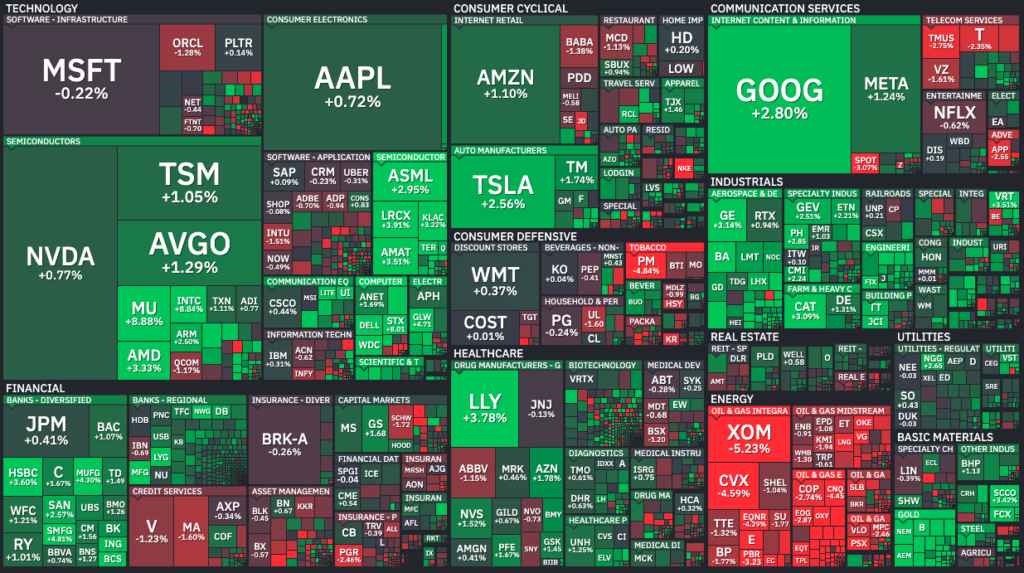
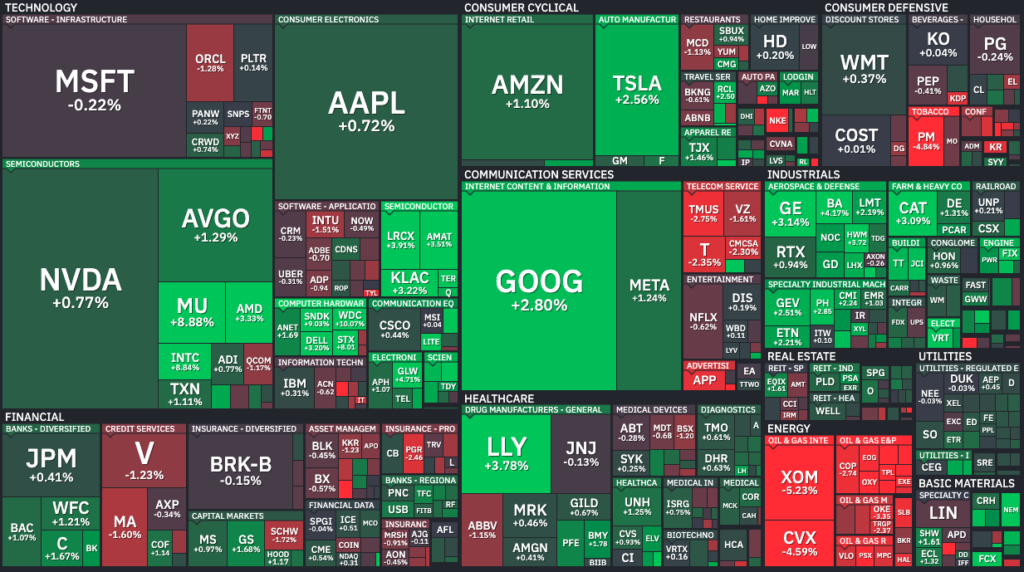
President Trump delivered a stark warning to Iran — threatening strong military strikes over the next 2 to 3 weeks.

But there was no ceasefire timeline. No answer to “when does this end?” And markets felt that absence immediately.

  • Major indices fell 1.3–1.7% at the open
  • WTI crude surged past $113 per barrel intraday
  • Investor sentiment deteriorated sharply

One speech. One morning. The whole market shaken.


2. The Hormuz Strait Toll Issue and Market Rebound

Then came an unexpected headline that shifted the mood. Reports emerged that Iran was coordinating with Oman to establish a toll collection protocol for the Strait of Hormuz.

Markets read it as a hopeful sign:

“Maybe the strait stays open after all.”

That alone was enough to spark a partial recovery.

But Wall Street analysts pushed back with cooler heads:

  • This is a post-war plan, not an immediate fix
  • GCC opposition makes it unlikely to happen anytime soon
  • The rebound may have been built on premature optimism

The market bought hope. But the reality remains far off.


3. Employment Data and Economic Indicators

Amid the geopolitical noise, the underlying economy held firm.

  • Weekly jobless claims: 202,000
  • Historically low — the labor market remains resilient

Eyes then turned to the next day’s March jobs report. Wall Street expected a rebound of 60,000–70,000 new positions.

Whatever is happening in the Middle East, America’s economic engine keeps running.


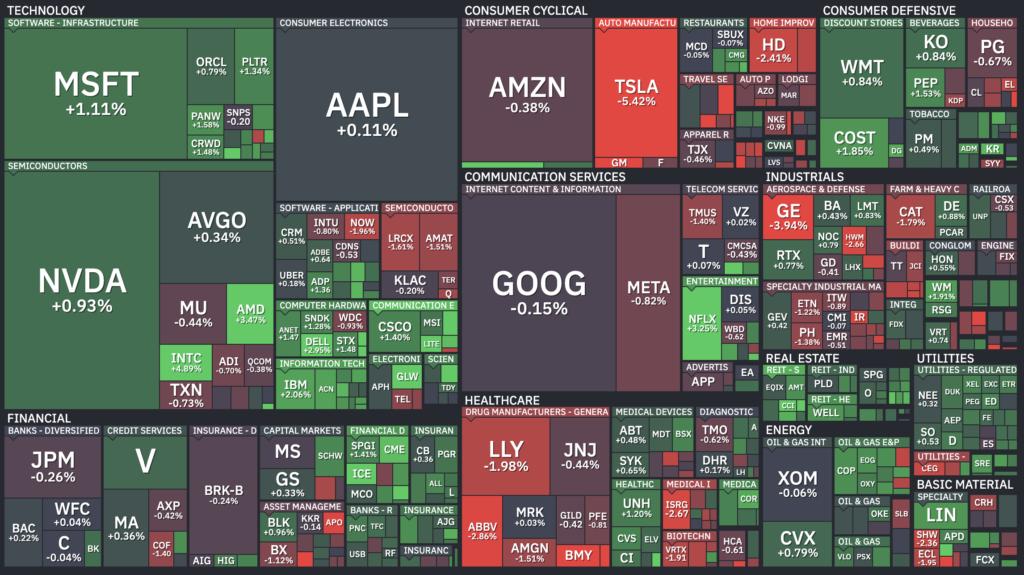
4. Tesla’s Sharp Decline

The day’s most dramatic mover was Tesla.

Q1 delivery numbers came in — and they missed.

  • Market estimate: 369,000 vehicles
  • Actual deliveries: 358,000 vehicles (~11,000 short)
  • Stock decline: -5.42%

Slowing EV demand, rising competition, and ongoing brand controversy all piled on. Investors had hoped for more. The numbers said otherwise.


5. Wall Street’s Anxiety and the Road Ahead

And yet — the market is holding. The reason? What analysts are calling the “Sako memory.”

A year ago, markets cratered on tariff fears — then roared back fast. That memory keeps investors in their seats.

“When the war ends, the market will rally hard. Don’t miss it.”

That psychology is what’s keeping Wall Street from selling out.

As Q1 earnings season approaches, the outlook splits in two:

  • Bulls: IT and energy earnings forecasts are being revised upward
  • Bears: A prolonged conflict could eventually erode corporate fundamentals

Optimism and anxiety, side by side. Wall Street is balancing on a knife’s edge.


Conclusion

Markets are holding their breath — staying invested, watching every signal. The Hormuz headlines, Tesla’s miss, the jobs data, Trump’s next words. Wall Street is absorbing it all, one volatile day at a time.

2026년 4월2일 미국증시 마감 시황

1. 트럼프 대통령 연설과 시장의 충격

트럼프 대통령이 이란을 향해 강경 발언을 쏟아냈습니다. 향후 2~3주간 강력한 타격을 가하겠다는 경고였죠.

문제는 종전 타임라인이 없었다는 점입니다. “언제 끝나느냐”에 대한 답이 없으니, 시장은 실망할 수밖에 없었습니다.

그 결과는 즉각적이었습니다.

  • 장 초반 주요 지수 1.3~1.7% 급락
  • 국제 유가(WTI) 장중 배럴당 113달러 돌파
  • 투자 심리 급격히 위축

연설 하나가 시장 전체를 흔든 하루였습니다.


2. ‘호르무즈 해협 통행료’ 이슈와 시장의 반등

분위기가 바뀐 건 뜻밖의 뉴스 때문이었습니다. 이란이 오만과 협의해 호르무즈 해협 통행료 징수 프로토콜을 준비한다는 보도가 나온 것입니다.

시장은 이를 이렇게 읽었습니다.

“해협이 다시 열릴 수도 있겠다.”

그 기대감만으로도 증시는 회복세를 보였습니다.

그러나 월가 전문가들의 시각은 냉정했습니다.

  • 이건 전쟁 이후를 위한 계획이지, 지금 당장의 해결책이 아니다
  • GCC 국가들의 반대로 실현 가능성도 낮다
  • 시장의 반등은 다소 섣부른 기대감에 기댄 것일 수 있다

희망을 산 시장, 하지만 현실은 아직 멀리 있습니다.


3. 고용 지표 및 경제 데이터

혼란스러운 시장 속에서도 경제 기초 체력은 탄탄했습니다.

  • 주간 신규 실업수당 청구 건수: 20만 2천 건
  • 역사적으로 매우 낮은 수준, 노동 시장은 여전히 견조

다음 날 발표될 3월 고용 보고서에도 관심이 쏠렸습니다. 월가는 일자리 증가 폭이 6만~7만 개 수준으로 반등할 것으로 내다봤습니다.

지정학 리스크와 별개로, 미국 경제의 기본기는 흔들리지 않고 있다는 신호입니다.


4. 테슬라 급락 및 기업 이슈

이날 가장 뚜렷한 하락을 보인 종목은 단연 테슬라였습니다.

1분기 실적 성적표가 공개됐는데, 결과는 기대 이하였습니다.

  • 시장 예상치: 36만 9천 대
  • 실제 인도량: 35만 8천 대 (약 1만 1천 대 미달)
  • 주가 하락폭: -5.42%

전기차 시장의 수요 둔화, 경쟁 심화, 브랜드 이미지 논란까지 겹치며 투자자들의 실망감이 고스란히 주가에 반영됐습니다.


5. 월가의 불안과 향후 전망

그럼에도 시장이 버티는 이유가 있습니다. 바로 ‘사코의 추억’ 입니다.

1년 전, 관세 이슈로 급락했던 시장이 빠르게 반등했던 경험. 그 기억이 투자자들을 붙잡고 있습니다.

“전쟁이 끝나면 시장은 다시 튄다. 그 순간을 놓치면 안 된다.”

이 심리가 지금 월가를 지탱하는 힘입니다.

한편 1분기 어닝 시즌을 앞두고 시장의 시선은 두 갈래로 나뉩니다.

  • 긍정적 시각: IT·에너지 기업 실적 전망치 상향 조정 중
  • 우려스러운 시각: 지정학 갈등 장기화 시 기업 펀더멘털 타격 불가피

낙관과 불안이 공존하는 지금, 월가는 매우 예민한 균형 위에 서 있습니다.


결론

시장은 전쟁과 불확실성 속에서도 ‘반등 기회’를 노리며 버티고 있습니다. 호르무즈 해협, 테슬라 실적 쇼크, 고용 지표, 트럼프의 한마디까지. 지금 월가는 수많은 변수를 동시에 소화하며 하루하루를 버텨내고 있습니다.

US Market Wrap (April 1, 2026)

📌 1. Geopolitics: Easing Middle East Tensions

  • Trump signaled the Iran conflict is nearing an end
  • Possible troop withdrawal within 2–3 weeks
  • Oil prices fell below $100 → improved market sentiment
  • However, uncertainty remains around the Strait of Hormuz and further conflicts
  • Some experts warn the rally could be temporary

📌 2. Economic Data: Resilient but Inflationary Pressure

  • Retail sales +0.6% → solid consumer demand
  • Private payrolls increased → stable labor market
  • Manufacturing PMI at 52.7 → expansion continues
  • Prices paid surged to 78.3 → highest since 2022
  • Rising input costs + supply chain issues → inflation concerns

📌 3. Sectors & Corporate Highlights

  • AI-driven rally lifted tech and semiconductor stocks
    • Micron, AMD gained
  • OpenAI funding news boosted AI sentiment
  • Nike:
    • Met earnings expectations
    • Weak China sales & poor guidance
    • Stock plunged ~15%

📌 4. Market Outlook & Strategy

  • Current rally = technical rebound from oversold levels
  • S&P 500 facing resistance near 200-day moving average
  • Trend reversal still uncertain
  • Next 4–5 days are critical
    → Dead-cat bounce vs new uptrend

2026년 4월1일 미국증시 마감 시황

📌 1. 지정학적 이슈: 중동 리스크 완화 기대

  • 트럼프 대통령이 이란과의 전쟁이 종료 단계에 진입했다고 언급
  • 2~3주 내 철수 가능성 시사 → 시장에 종전 기대감 반영
  • 유가 배럴당 100달러 하회 → 투자 심리 개선
  • 다만, 호르무즈 해협 재개방 및 군사 충돌 지속 여부는 여전히 불확실
  • 전문가들은 이번 상승을 ‘일시적 반등’으로 해석하는 시각도 존재

📌 2. 경제 지표: 견조하지만 인플레이션 부담 지속

  • 2월 소매판매 +0.6% → 소비 견조
  • 3월 민간 고용 증가 → 경기 안정 흐름 유지
  • 제조업 PMI 52.7 → 확장 국면 유지
  • 지불 가격 78.3 → 2022년 이후 최고 수준
  • 원자재 가격 상승 + 공급망 이슈 → 인플레이션 압력 확대

📌 3. 주요 섹터 및 기업 이슈

  • AI 투자 기대감 확대 → 반도체/기술주 강세
    • 마이크론, AMD 등 상승
  • 오픈AI 투자 유치 → AI 산업 성장 기대 강화
  • 나이키:
    • 실적은 예상 부합
    • 중국 매출 감소 + 가이던스 악화
    • 주가 약 -15% 급락

📌 4. 시장 흐름 및 투자 전략

  • 현재 상승은 과매도 이후 ‘기술적 반등’ 성격
  • S&P500 → 200일 이동평균선 부근 저항
  • 아직 추세 전환 여부는 불확실
  • 향후 4~5일이 중요
    → 단기 반등(데드캣 바운스) vs 추세 상승 판단 구간

US Market Wrap (March 31, 2026)

US Market Wrap (March 31, 2026)

1. Key Takeaways

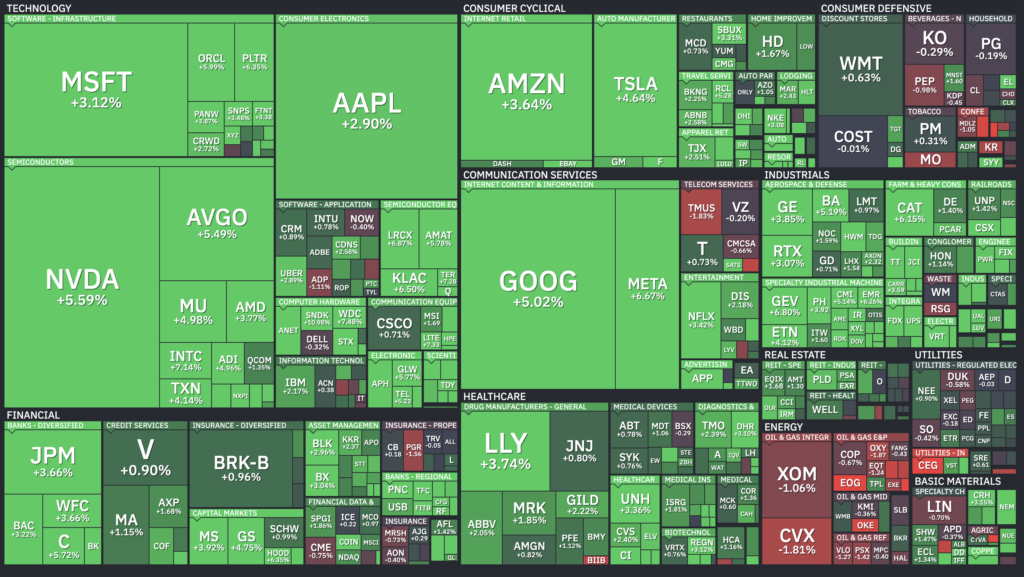
  • Markets surged on easing Middle East war concerns
  • Magnificent 7 led the rally
  • The move was driven by sentiment + technical factors, not fundamentals
  • Geopolitical and inflation risks still remain

2. What Drove the Rally

(1) War De-escalation Hopes

  • Trump signaled ending the war without military reopening of the Strait of Hormuz
  • Iran stated it does not want war and is ready for a ceasefire

→ Both sides signaling de-escalation

→ Market interpretation:
Lower geopolitical risk → Lower oil spike risk → Risk-on sentiment


(2) Shift in Market Sentiment

  • Before: Fear of escalation and oil shock
  • Now: Possibility of war ending

→ Reduced uncertainty → Strong buying interest


3. Sector & Stock Leaders

Magnificent 7 Rally

  • Meta +6.67%
  • Nvidia +5.59%
  • Other mega-cap tech stocks +3~6%

Why Tech Led

  • Recent pullback → valuation reset
  • Forward P/E dropped below 20x
  • AI growth narrative still intact

→ “Attractive valuation + reduced risk”


4. Economic Data Check

(1) Labor Market

  • JOLTS hiring rate: 3.1%
  • Back to early pandemic levels

→ Clear signs of cooling labor market


(2) Inflation Expectations

  • 12-month inflation expectations: 6.2% (spike)

→ Ongoing supply shock concerns
→ Inflation risk not fully contained


Interpretation

  • Slowing labor market + rising inflation expectations

→ Macro environment remains mixed
→ This rally is not driven by improving fundamentals


5. Technical Factors Behind the Move

(1) Pension Rebalancing

  • End of month / quarter
  • Institutional buying to rebalance portfolios

→ Strong downside support


(2) Short Squeeze

  • CTA funds forced to cover short positions
  • Accelerated buying pressure

→ Amplified upside momentum


6. Overall Assessment

Nature of the Rally

  • Combination of geopolitical relief + technical rebound

Positives

  • Reduced geopolitical risk
  • Attractive big tech valuations
  • Strong institutional flows

Risks

  • Iran nuclear issue unresolved
  • Strait of Hormuz uncertainty
  • Oil price volatility
  • Rising inflation expectations

7. One-Line Summary

This rally is a relief-driven and technically supported rebound, not yet a confirmed trend reversal.

2026년 03월31일 뉴욕증시 마감 시황

1. 핵심 요약

  • 중동 전쟁 리스크 완화 기대감 → 시장 급등
  • 매그니피센트7 중심으로 강한 반등
  • 상승은 펀더멘털 개선이 아닌 이벤트 + 수급 영향
  • 여전히 유가 및 지정학 리스크는 남아 있음

2. 시장 상승 원인

(1) 전쟁 종결 기대감

  • 트럼프: 호르무즈 해협 무력 없이 전쟁 종료 의지
  • 이란: 전쟁 원치 않으며 종전 준비 가능

→ 양측 모두 ‘확전 회피’ 시그널

→ 시장 해석:
전쟁 리스크 ↓ → 유가 안정 기대 → 리스크 자산 선호 회복


(2) 투자 심리 변화

  • 기존: 전쟁 확산 + 유가 상승 우려
  • 현재: 종전 가능성 반영

→ 불확실성 축소 → 매수 전환


3. 주도 섹터 및 종목

매그니피센트7 강세

  • 메타 +6.67%
  • 엔비디아 +5.59%
  • 기타 빅테크 3~6% 상승

상승 배경

  • 최근 조정 → 밸류에이션 부담 완화
  • PE 20배 이하 구간 진입
  • AI 성장 기대는 유지

→ “가격 메리트 + 리스크 완화” 조합


4. 경제 지표 체크

(1) 노동 시장

  • JOLTS 채용률: 3.1%
  • 팬데믹 초기 수준

→ 고용 시장 둔화 진행 중


(2) 인플레이션 기대

  • 12개월 기대 인플레이션: 6.2% 상승

→ 공급 충격 영향 지속
→ 물가 리스크 여전히 존재


해석

  • 고용 둔화 + 물가 상승 기대

→ 매크로 환경은 여전히 비우호적

→ 이번 상승은 펀더멘털 기반 아님


5. 기술적 수급 요인

(1) 연기금 리밸런싱

  • 월말 / 분기말
  • 주식 비중 확대 매수

→ 시장 하단 지지


(2) 숏 스퀴즈

  • CTA 공매도 포지션 청산
  • 강제 매수 발생

→ 상승폭 확대


6. 종합 판단

상승 성격

  • 전쟁 리스크 완화 기대 + 기술적 반등

긍정 요인

  • 지정학 리스크 완화 가능성
  • 빅테크 밸류 매력 부각
  • 강한 수급 유입

리스크 요인

  • 이란 핵 문제 지속
  • 호르무즈 해협 긴장 가능성
  • 유가 변동성
  • 인플레이션 기대 상승

7. 한 줄 결론

이번 상승은 안도 랠리 + 수급 반등이며, 아직 추세 전환으로 보기는 이르다.