Market expectations for Samsung Electronics have risen as major brokerages recently revised earnings consensus upward
While some investors are uncomfortable with the higher bar, analysts see it as a normal adjustment process reflecting improved outlooks
Samsung Electronics has nearly doubled over the past six months, prompting foreign investors to reduce positions as part of portfolio rebalancing
However, if the upcoming preliminary earnings meet or beat consensus, the result could become a turning point for foreign inflows to return
In that sense, the earnings release is being viewed as a key test not only for fundamentals but also for the direction of future institutional and foreign demand
2. Geopolitical risk from the Middle East
Uncertainty remains as the deadline tied to the Middle East issue has been pushed back by one day rather than fully resolved
The market is interpreting the delay as a sign that a small deal or temporary ceasefire remains possible
This keeps geopolitical risk elevated, but at the same time supports hopes for de-escalation
In addition, six Middle Eastern countries reportedly expressed their intention to prioritize crude oil supply to Korea
That signal helped ease concerns over energy supply disruption and reduced some of the pressure tied to oil-related risks
3. Weakness in KOSDAQ and notable movers
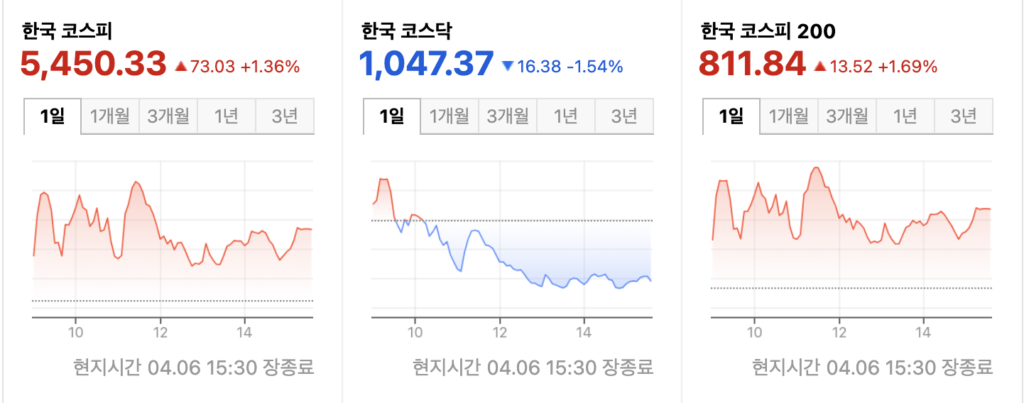
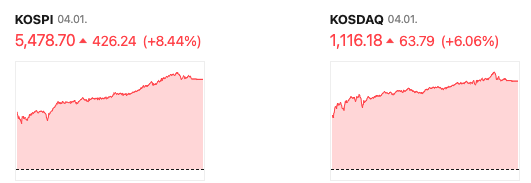
KOSDAQ underperformed KOSPI due to a mix of distorted fund flows and valuation front-loading in key sectors
Semiconductor materials, parts, and equipment names, along with secondary battery stocks, had already priced in much of the positive outlook
Volatility in major market-cap names also created ETF flow distortions, weighing on the broader KOSDAQ market
Among individual stocks, Simmtech surged on raised target prices and expectations for PCB-related demand
Danal hit the upper limit on momentum tied to AI agent-related themes
Poongsan also spiked sharply during the session on ammunition business sale-related issues
Overall, the KOSDAQ market showed a selective, theme-driven pattern rather than broad-based strength
4. Investor strategy and key takeaway
A short-term sell-the-news reaction may appear immediately after Samsung Electronics reports earnings
Still, many market participants argue that Samsung’s valuation remains attractive, with PER around 7–8x
That suggests any pullback could be seen more as a buying opportunity than a reason for panic
Investors are being advised to stay focused on principles and broader trend signals rather than reacting emotionally to daily volatility
Supportive factors such as the listing of memory-related ETFs in the U.S. also reinforce the medium- to long-term outlook for the semiconductor sector
In summary, the market may remain choppy as earnings season and geopolitical headlines intersect, but disciplined investors may still find meaningful opportunities
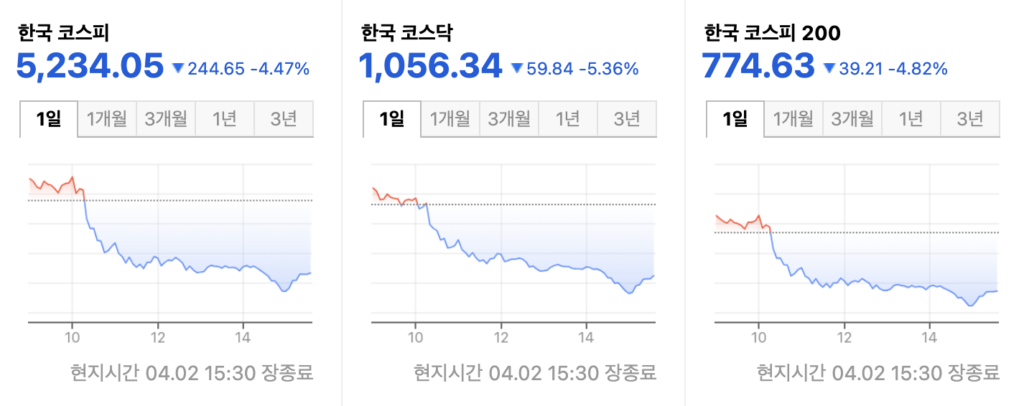
The April 2 market was shaped by a combination of rising geopolitical risk, imbalanced market flows, and sharp volatility
Rather than a simple pullback, it reflected a highly unstable environment where both external shocks and internal liquidity stress pressured sentiment
The broader index direction became less important than stock-specific and sector-specific performance
2. Escalating Geopolitical Risk
Hawkish remarks from former President Trump reignited concerns over Middle East tensions
Fears of military escalation increased as political uncertainty intensified
Reports involving military activity, including references to A-10 aircraft, deepened concerns that an actual clash could emerge over the weekend
As a result, investors leaned toward risk-off positioning rather than aggressive buying
3. Flow Imbalance and Forced Selling Risk
Market volatility became severe enough to trigger sidecars in both KOSPI and KOSDAQ for two consecutive days
A particularly concerning signal was that margin balances continued to rise even as the market declined
This suggests retail investors were maintaining or even increasing leveraged positions during the downturn
If the market falls further, this could lead to forced liquidation and margin calls, amplifying downside pressure
In other words, the main risk is not just falling prices, but the possibility of a deeper drop caused by leverage unwinding
4. Energy and Commodity Concerns
Middle East instability once again brought attention to the Strait of Hormuz risk
Potential disruption to oil and energy supply remains a burden on market sentiment
However, Korea may be somewhat protected in the short term through increased U.S. crude imports and possible pipeline rerouting by Middle Eastern producers
This means the energy risk is real, but not yet being interpreted as an immediate full-scale supply shock
5. Semiconductor View
Some parts of the market are raising concerns about a semiconductor peak-out
However, the more important factor is not the spot price but the contract price trend, which remains relatively solid
As long as earnings fundamentals stay intact, semiconductors are still seen as an area where buying on weakness may make sense
The key question is whether the recent correction reflects deteriorating fundamentals or excessive fear-driven discounting
6. Sectors in Focus
Defense / Aerospace
A sector supported by long-term structural growth
Geopolitical tension and rising global defense spending could help it outperform
Event-driven momentum such as the Artemis II mission may also support sentiment
Robotics
Tesla’s strategic shift and increasing focus on robotics may serve as a mid- to long-term catalyst
The theme could evolve beyond short-term speculation into a broader industrial transformation story
Secondary Batteries
The sector may regain attention from an energy security perspective
During market weakness, it could show relative resilience due to policy and strategic relevance
Still, a medium- to long-term approach appears more appropriate than short-term trading
7. Investment Strategy
This market favors a stock-picking environment rather than a broad index-driven rally
Excessive margin use and leverage should be avoided
Maintaining a certain level of cash and sticking to a phased buying strategy is important
Instead of chasing rebounds, investors may be better served by focusing on sectors and names backed by earnings visibility
The core strategy is clear: risk management, cash preservation, and selective accumulation
8. Final Take
On April 2, the market was pressured externally by Middle East geopolitical tensions and internally by rising leverage and distorted market flows
High volatility is likely to persist in the near term
Investors may need to focus less on the overall index and more on earnings quality, sector leadership, and balance-sheet resilience
The most practical response remains holding cash, reducing leverage, and buying in stages based on clear principles