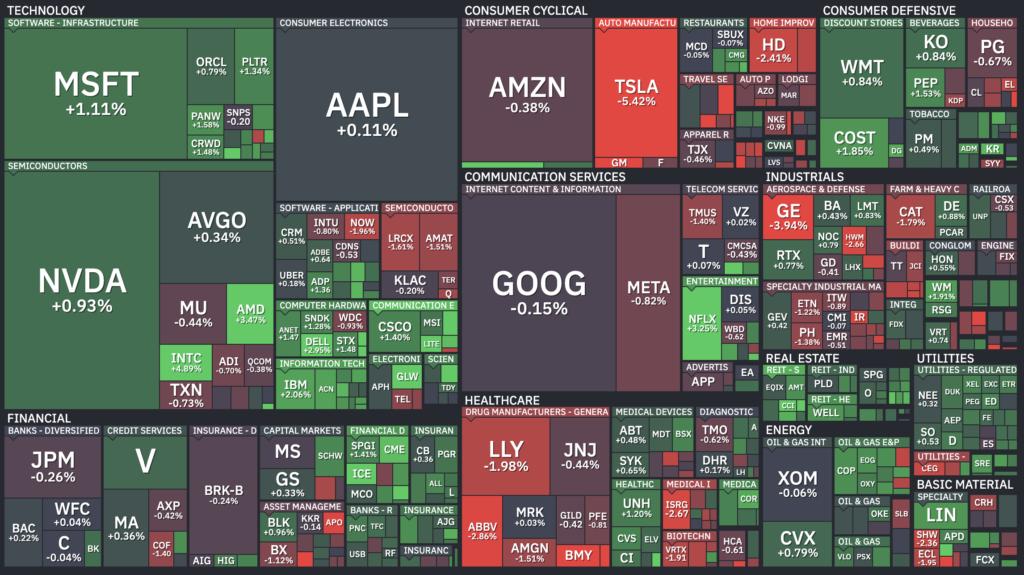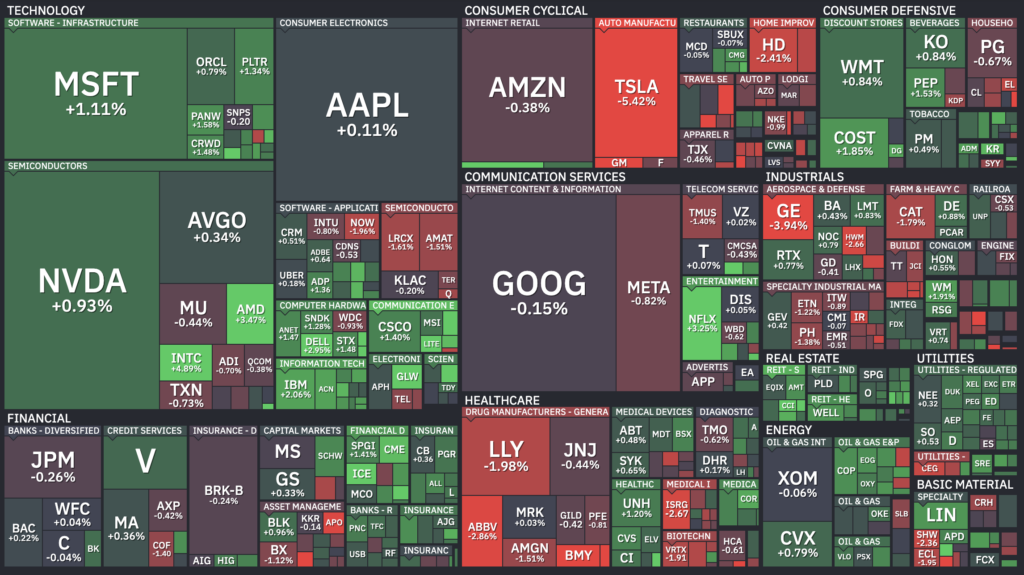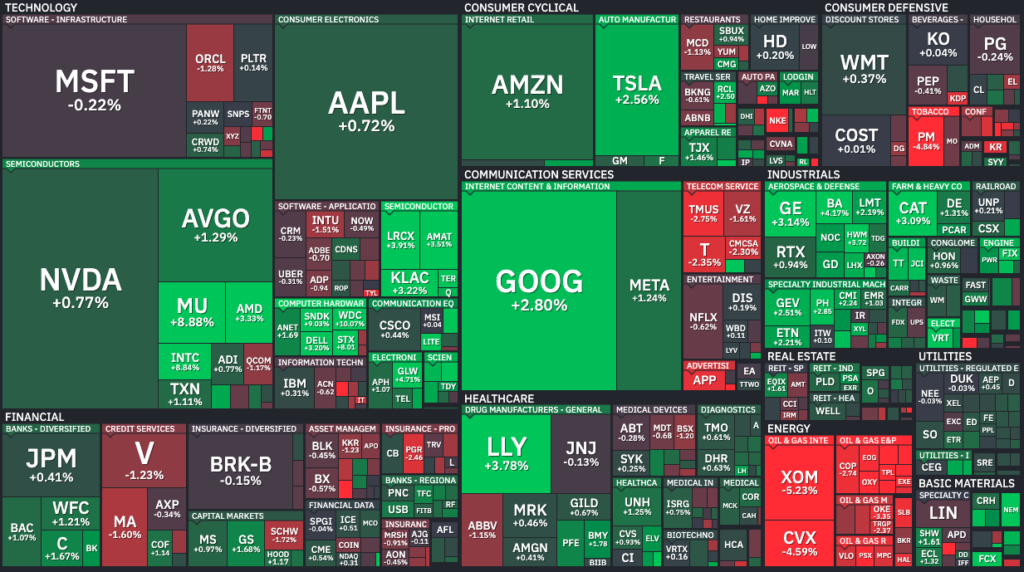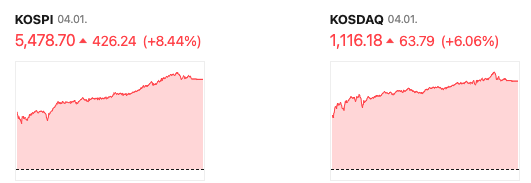
US Stock Market Wrap (April 6, 2026)

Geopolitical tension and inflation concerns kept investors on edge

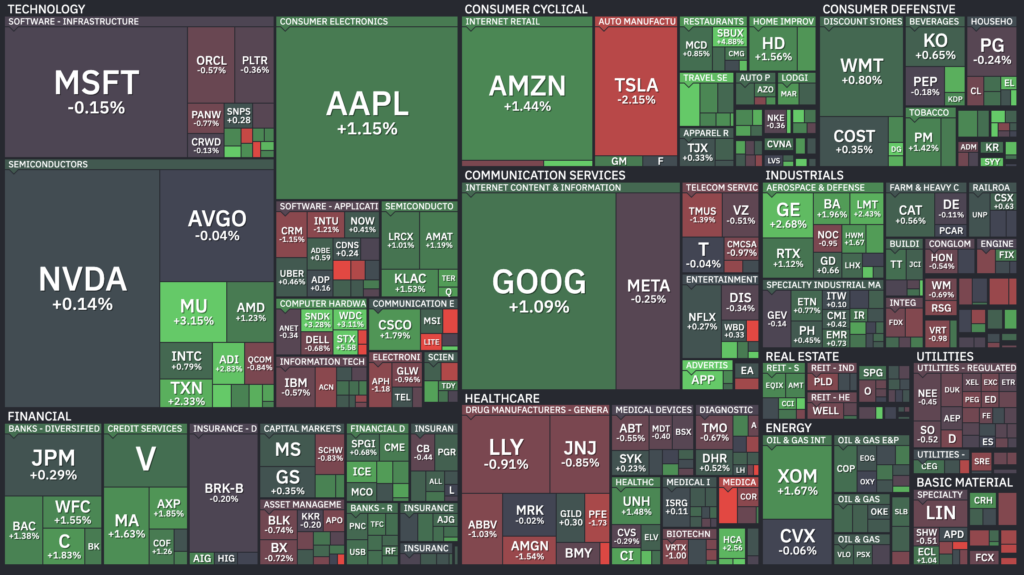
U.S. stocks traded in a cautious and mixed tone as investors weighed geopolitical uncertainty in the Middle East against stronger-than-expected economic data.
The overall market message was clear: the economy remains resilient, but that strength may also keep inflation and interest-rate pressure alive.


1. Geopolitical risk remains a key market driver

The biggest overhang was the ongoing Iran-related geopolitical tension.
Although the negotiation deadline was extended, uncertainty remained high. President Trump signaled both pressure and a willingness to negotiate, leading the market to cautiously hope that an eventual exit strategy or de-escalation path could emerge.

Meanwhile, shipping activity through the Strait of Hormuz started to resume gradually, helping oil prices stabilize near the $110 level.
Still, investors are not treating this as full normalization. A prolonged conflict could quickly reignite fears of another oil spike and broader logistics disruption.


2. Strong jobs data, but rising inflation worries

The most important macro signal came from the March jobs report.
Payroll growth reached 178,000, well above expectations, reinforcing the view that the U.S. economy remains stronger than many had feared.

However, strong growth also brings a downside for markets.
The prices paid component of the ISM Services PMI jumped to its highest level since October 2022, reviving concerns that inflationary pressure, especially in the service sector, may be building again.

That means investors are not simply reading strong economic data as bullish.
Instead, the market is increasingly worried that a resilient economy may delay Federal Reserve rate cuts.


3. Stock and sector performance diverged sharply

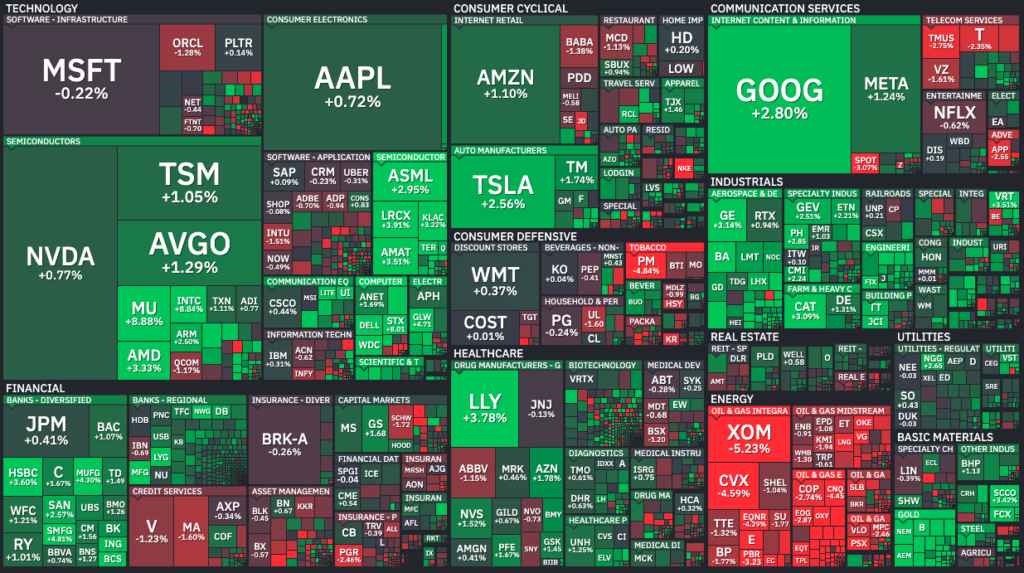
At the stock level, Tesla and memory semiconductor names moved in opposite directions.

  • Tesla came under pressure after JPMorgan sharply lowered its year-end price target and maintained a sell rating, adding to concerns over valuation and earnings outlook.
  • In contrast, memory semiconductor stocks gained strength after Morgan Stanley argued that the memory supercycle could continue into 2027 and 2028, supported by strong AI demand and persistent supply-demand imbalance. That helped lift sentiment around names such as Micron.

This suggests the market is still rewarding AI and semiconductor growth themes, while becoming more selective in other high-profile sectors such as EVs.


4. All eyes are now on CPI

The next major catalyst is the March CPI report, due on the 10th.
Wall Street expects headline inflation to rise 3.4% year over year, and the result could play a decisive role in shaping both rate expectations and near-term market direction.

If CPI comes in hotter than expected, markets may face renewed pressure from higher yields and fading rate-cut hopes.
If inflation cools more than expected, investors could view it as a supportive signal for equities.

Adding to the cautious tone, JPMorgan CEO Jamie Dimon warned in his annual letter that persistent inflation and geopolitical risks could lead to higher market rates and lower asset prices.


5. Key takeaways

  • Middle East tensions remain unresolved, though markets are still hoping for de-escalation
  • Strait of Hormuz traffic recovery helped oil stabilize near $110
  • March payrolls of 178,000 confirmed U.S. economic resilience
  • ISM Services prices paid surged, reviving inflation concerns
  • Tesla weakened after a major price-target cut
  • Memory chip stocks gained on long-term AI demand optimism
  • The March CPI report is the next major market-moving event

Wrap-up

The market is currently caught between hope for geopolitical easing and fear of sticky inflation.
Economic momentum remains solid, but that same strength may keep the Fed cautious for longer.

In the near term, investors will be closely watching
Middle East developments,
oil price trends,
and most importantly, the CPI report,
as the next direction for U.S. equities will likely depend on these three factors.
2026년 4월6일 미국증시 마감 시황

지정학적 리스크와 인플레이션 경계감이 동시에 시장을 흔든 하루

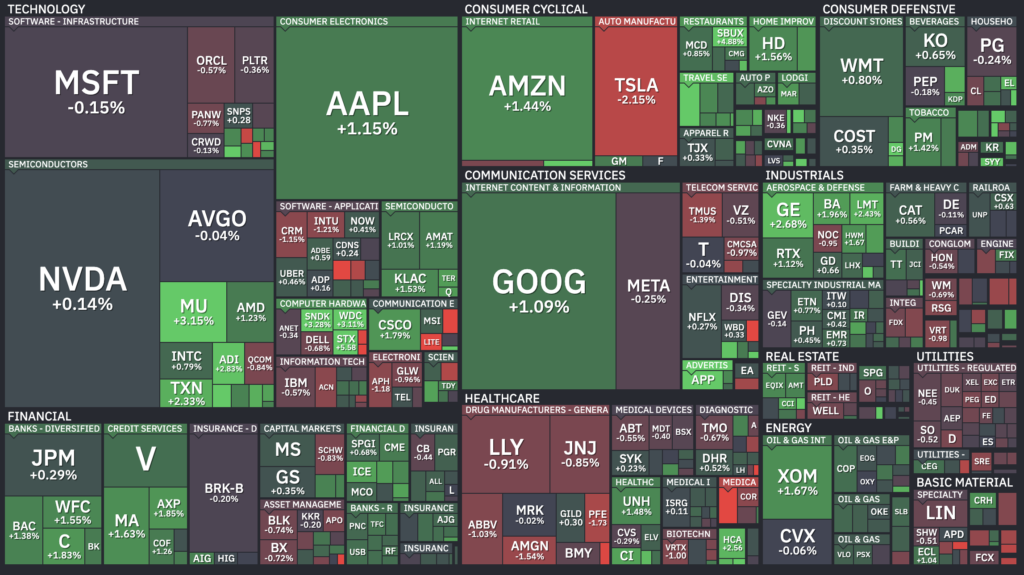
미국 증시는 중동 지정학적 불안과 예상보다 강한 경제 지표가 맞물리며, 상승 동력과 부담 요인이 혼재된 흐름을 보였습니다.
시장은 전반적으로 **“경기는 강하지만, 그만큼 물가와 금리 부담도 커질 수 있다”**는 해석에 무게를 두는 모습이었습니다.


1. 중동 리스크, 아직 끝나지 않았다

가장 큰 변수는 여전히 이란 관련 지정학적 위기였습니다.
협상 시한이 연장된 가운데, 트럼프 대통령은 강경한 압박과 협상 의지를 동시에 내비치고 있습니다. 이에 따라 시장은 단기적으로는 긴장을 의식하면서도, 결국에는 출구 전략이나 철수 가능성이 선택될 수 있다는 기대도 일부 반영하고 있습니다.

한편 호르무즈 해협의 선박 통행이 조금씩 재개되면서 국제유가는 110달러 선에서 다소 안정되는 흐름을 보였습니다.
다만 시장은 이를 완전한 안정으로 받아들이기보다, 전쟁 장기화 시 유가 재급등과 물류 차질이 재차 불거질 수 있다는 점을 여전히 경계하고 있습니다.


2. 고용은 강했지만, 물가 우려는 더 커졌다

이번 시장에서 가장 중요했던 경제 지표는 3월 고용보고서였습니다.
신규 고용이 17만 8,000개로 예상치를 크게 웃돌며, 미국 경제가 예상보다 훨씬 견조하다는 점을 다시 확인시켜줬습니다.

문제는 강한 경기 흐름이 곧바로 인플레이션 부담으로 연결될 수 있다는 점입니다.
특히 ISM 서비스업 PMI의 지불가격 지표가 2022년 10월 이후 최고 수준까지 급등하면서, 서비스 물가 중심의 인플레이션 압력이 다시 커질 수 있다는 우려가 부각됐습니다.

즉, 시장은 좋은 고용 지표를 단순 호재로 해석하기보다,
**“경기가 강하면 연준이 금리를 쉽게 내리지 못할 수 있다”**는 시각으로 받아들이는 분위기입니다.


3. 종목별 흐름은 엇갈렸다

개별 종목에서는 테슬라와 반도체 업종의 온도차가 뚜렷했습니다.

  • 테슬라는 JP모건이 연말 목표주가를 큰 폭으로 낮추고 매도 의견을 제시하면서 투자심리가 위축됐습니다.
    성장 기대보다 밸류에이션과 실적 우려가 더 크게 반영된 모습입니다.
  • 반면 메모리 반도체 업종은 강세를 보였습니다.
    모건스탠리가 AI 수요 확대와 수급 불균형을 근거로 메모리 반도체 슈퍼사이클이 2027~2028년까지 이어질 수 있다고 전망하면서, 마이크론 등 관련 종목에 매수세가 유입됐습니다.

결국 이날 시장은 지수 전체보다도,
AI와 반도체 같은 성장 테마는 살아 있고, 전기차 등 일부 종목은 차별화 압력을 받는 장세로 볼 수 있습니다.


4. 앞으로의 핵심 변수는 CPI

이제 시장의 시선은 **오는 10일 발표될 3월 CPI(소비자물가지수)**로 향하고 있습니다.
월가에서는 전년 대비 3.4% 상승을 예상하고 있으며, 이 결과가 향후 금리 전망과 증시 방향을 결정할 가능성이 큽니다.

만약 CPI가 예상보다 높게 나온다면,
시장금리 상승과 함께 증시 조정 압력이 커질 수 있습니다.
반대로 물가가 예상보다 안정적으로 나온다면, 연준의 정책 부담이 완화되며 증시에 안도 랠리가 나타날 여지도 있습니다.

여기에 제이미 다이먼 JP모건 CEO 역시 연례 서한을 통해,
지속적인 인플레이션과 지정학적 위험이 시장 금리 상승과 자산 가격 하락으로 이어질 수 있다고 경고했습니다.


5. 한눈에 보는 오늘의 핵심

  • 중동 리스크는 완전히 해소되지 않았지만, 시장은 일부 출구 전략 가능성도 반영
  • 호르무즈 해협 통행 재개로 유가는 일단 110달러 선에서 안정
  • 3월 신규 고용 17만 8천 건으로 미국 경기 회복력 확인
  • ISM 서비스업 가격 지표 급등으로 인플레이션 우려 재부각
  • 테슬라는 목표주가 하향 여파로 약세
  • 메모리 반도체는 AI 수요 기대 속 강세
  • 다음 핵심 이벤트는 3월 CPI 발표

마무리

현재 시장은 지정학적 불안 완화 기대끈질긴 인플레이션 우려 사이에서 줄다리기를 하고 있습니다.
경기 자체는 견조하지만, 그 강한 경기 흐름이 오히려 금리 인하 기대를 늦추는 역설적인 상황입니다.

따라서 당분간 시장은
중동 리스크의 전개,
국제유가 흐름,
그리고 CPI 결과에 따라 변동성이 크게 확대될 가능성이 높습니다.

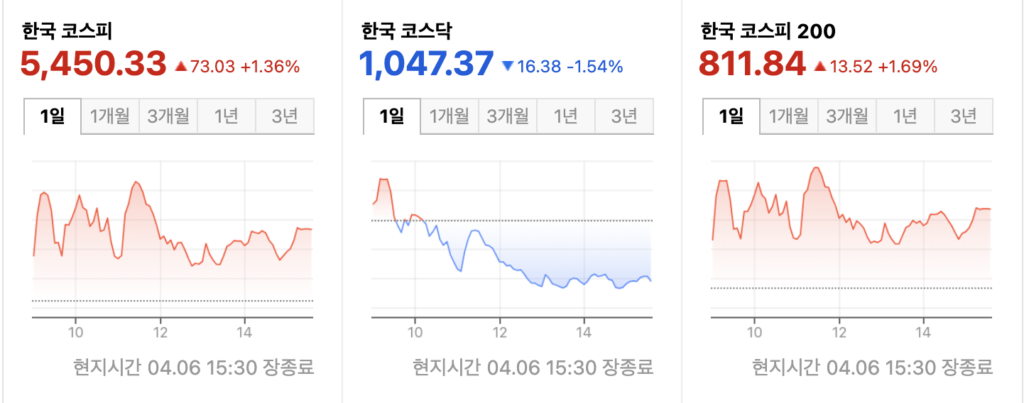
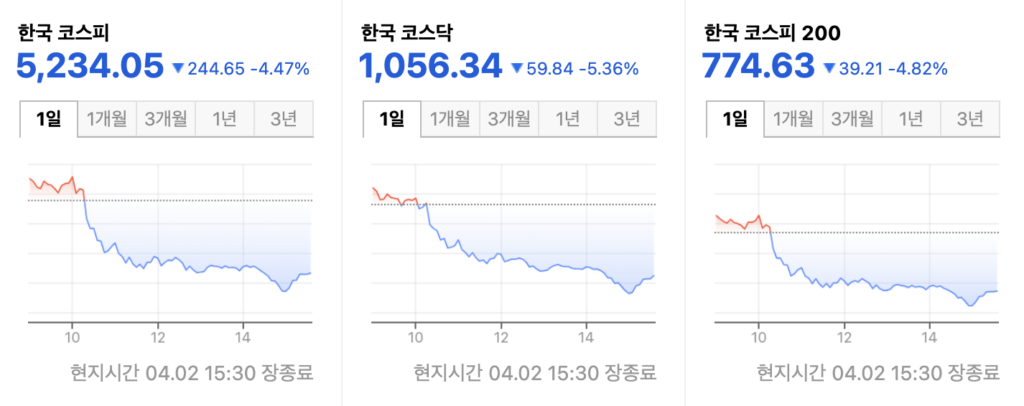
Korea Stock Market Wrap (April 6, 2026)

1. Market focus on Samsung Electronics earnings

  • Market expectations for Samsung Electronics have risen as major brokerages recently revised earnings consensus upward
  • While some investors are uncomfortable with the higher bar, analysts see it as a normal adjustment process reflecting improved outlooks
  • Samsung Electronics has nearly doubled over the past six months, prompting foreign investors to reduce positions as part of portfolio rebalancing
  • However, if the upcoming preliminary earnings meet or beat consensus, the result could become a turning point for foreign inflows to return
  • In that sense, the earnings release is being viewed as a key test not only for fundamentals but also for the direction of future institutional and foreign demand

2. Geopolitical risk from the Middle East

  • Uncertainty remains as the deadline tied to the Middle East issue has been pushed back by one day rather than fully resolved
  • The market is interpreting the delay as a sign that a small deal or temporary ceasefire remains possible
  • This keeps geopolitical risk elevated, but at the same time supports hopes for de-escalation
  • In addition, six Middle Eastern countries reportedly expressed their intention to prioritize crude oil supply to Korea
  • That signal helped ease concerns over energy supply disruption and reduced some of the pressure tied to oil-related risks

3. Weakness in KOSDAQ and notable movers

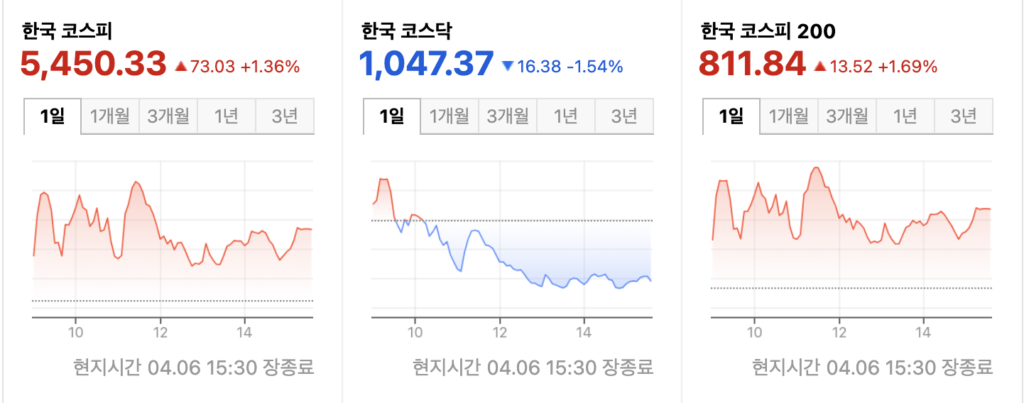
  • KOSDAQ underperformed KOSPI due to a mix of distorted fund flows and valuation front-loading in key sectors
  • Semiconductor materials, parts, and equipment names, along with secondary battery stocks, had already priced in much of the positive outlook
  • Volatility in major market-cap names also created ETF flow distortions, weighing on the broader KOSDAQ market
  • Among individual stocks, Simmtech surged on raised target prices and expectations for PCB-related demand
  • Danal hit the upper limit on momentum tied to AI agent-related themes
  • Poongsan also spiked sharply during the session on ammunition business sale-related issues
  • Overall, the KOSDAQ market showed a selective, theme-driven pattern rather than broad-based strength

4. Investor strategy and key takeaway

  • A short-term sell-the-news reaction may appear immediately after Samsung Electronics reports earnings
  • Still, many market participants argue that Samsung’s valuation remains attractive, with PER around 7–8x
  • That suggests any pullback could be seen more as a buying opportunity than a reason for panic
  • Investors are being advised to stay focused on principles and broader trend signals rather than reacting emotionally to daily volatility
  • Supportive factors such as the listing of memory-related ETFs in the U.S. also reinforce the medium- to long-term outlook for the semiconductor sector
  • In summary, the market may remain choppy as earnings season and geopolitical headlines intersect, but disciplined investors may still find meaningful opportunities

2026년 04월06일 한국증시 마감 시황

1. 삼성전자 실적 발표를 앞둔 시장 분위기

  • 최근 주요 증권사들이 삼성전자 실적 컨센서스를 잇달아 상향 조정하면서 시장 기대치가 높아진 모습
  • 일부 투자자들 사이에서는 기대치가 너무 높아졌다는 부담도 제기되지만, 시장에서는 이를 자연스러운 눈높이 조정 과정으로 해석
  • 지난 6개월 동안 삼성전자 주가가 큰 폭으로 상승한 만큼, 외국인은 차익 실현과 포트폴리오 리밸런싱 차원에서 매도 우위를 보여왔음
  • 다만 이번 잠정 실적이 시장 예상치를 충족하거나 상회할 경우, 외국인 수급이 다시 유입되는 계기가 될 수 있다는 기대가 형성
  • 결국 이번 실적 발표는 단순한 숫자 확인을 넘어 향후 외국인 매매 방향을 가늠할 중요한 분기점으로 인식되는 분위기

2. 중동 지정학적 리스크와 시장 해석

  • 중동 관련 최후 통첩 시점이 하루 연기되면서 불확실성이 완전히 해소되지 않은 상황
  • 시장은 이를 단순한 지연으로 보기보다는 스몰딜 가능성이나 휴전 협상 여지가 살아 있다는 신호로 받아들이며 민감하게 반응
  • 지정학적 변수는 여전히 투자심리를 흔드는 핵심 요인이지만, 한편으로는 긴장 완화 기대도 동시에 작용하는 흐름
  • 여기에 중동 6개국이 한국에 원유를 최우선 공급하겠다는 입장을 밝히며 에너지 공급망 우려를 일정 부분 완화
  • 이는 국내 증시에 부담이던 원자재 및 에너지 리스크를 다소 낮춰주는 재료로 해석 가능

3. 코스닥 약세와 특징주 흐름

  • 코스피 대비 코스닥이 상대적으로 부진한 배경에는 수급 왜곡과 선반영 부담이 동시에 작용
  • 반도체 소부장과 2차전지 관련 종목들은 이미 기대감이 상당 부분 주가에 반영돼 있어 추가 상승 탄력이 둔화된 모습
  • 여기에 시가총액 상위 종목들의 급격한 변동성이 ETF 수급까지 꼬이게 만들면서 코스닥 전반의 체력이 약해짐
  • 종목별로는 심텍이 목표가 상향 리포트와 기판주 수혜 기대감에 강세를 보였고
  • 다날은 AI 에이전트 관련 이슈로 상한가를 기록하며 강한 테마 수급을 보여줌
  • 풍산은 탄약 사업 관련 이슈가 부각되며 장중 급등세를 나타냄
  • 전체적으로 코스닥은 지수보다는 개별 재료 중심의 차별화 장세가 진행된 모습

4. 투자 전략과 시장 대응 포인트

  • 삼성전자 실적 발표 이후 단기적으로는 ‘뉴스에 파는’ 흐름이 나타날 가능성이 존재
  • 그러나 시장에서는 삼성전자의 현재 밸류에이션이 여전히 낮은 수준이라는 점에 주목
  • PER 7~8배 수준은 과도한 고평가 구간으로 보기 어렵기 때문에, 단기 조정이 오히려 기회가 될 수 있다는 시각이 우세
  • 따라서 단기 변동성에 흔들리기보다는 실적과 수급의 큰 흐름을 중심으로 대응하는 전략이 유효
  • 특히 미국 시장의 메모리 ETF 상장 등 우호적인 수급 환경 변화까지 감안하면, 반도체 업종 전반에 대한 중장기 기대감은 여전히 살아 있는 분위기
  • 결론적으로 현재 시장은 지정학적 변수와 실적 시즌이 맞물리며 흔들릴 수 있지만, 원칙을 지키는 투자자에게는 기회가 열릴 수 있는 구간으로 해석됨

US Stock Market Wrap (April 2, 2026)

1. Trump’s Speech and Market Shock

President Trump delivered a stark warning to Iran — threatening strong military strikes over the next 2 to 3 weeks.

But there was no ceasefire timeline. No answer to “when does this end?” And markets felt that absence immediately.

  • Major indices fell 1.3–1.7% at the open
  • WTI crude surged past $113 per barrel intraday
  • Investor sentiment deteriorated sharply

One speech. One morning. The whole market shaken.


2. The Hormuz Strait Toll Issue and Market Rebound

Then came an unexpected headline that shifted the mood. Reports emerged that Iran was coordinating with Oman to establish a toll collection protocol for the Strait of Hormuz.

Markets read it as a hopeful sign:

“Maybe the strait stays open after all.”

That alone was enough to spark a partial recovery.

But Wall Street analysts pushed back with cooler heads:

  • This is a post-war plan, not an immediate fix
  • GCC opposition makes it unlikely to happen anytime soon
  • The rebound may have been built on premature optimism

The market bought hope. But the reality remains far off.


3. Employment Data and Economic Indicators

Amid the geopolitical noise, the underlying economy held firm.

  • Weekly jobless claims: 202,000
  • Historically low — the labor market remains resilient

Eyes then turned to the next day’s March jobs report. Wall Street expected a rebound of 60,000–70,000 new positions.

Whatever is happening in the Middle East, America’s economic engine keeps running.


4. Tesla’s Sharp Decline

The day’s most dramatic mover was Tesla.

Q1 delivery numbers came in — and they missed.

  • Market estimate: 369,000 vehicles
  • Actual deliveries: 358,000 vehicles (~11,000 short)
  • Stock decline: -5.42%

Slowing EV demand, rising competition, and ongoing brand controversy all piled on. Investors had hoped for more. The numbers said otherwise.


5. Wall Street’s Anxiety and the Road Ahead

And yet — the market is holding. The reason? What analysts are calling the “Sako memory.”

A year ago, markets cratered on tariff fears — then roared back fast. That memory keeps investors in their seats.

“When the war ends, the market will rally hard. Don’t miss it.”

That psychology is what’s keeping Wall Street from selling out.

As Q1 earnings season approaches, the outlook splits in two:

  • Bulls: IT and energy earnings forecasts are being revised upward
  • Bears: A prolonged conflict could eventually erode corporate fundamentals

Optimism and anxiety, side by side. Wall Street is balancing on a knife’s edge.


Conclusion

Markets are holding their breath — staying invested, watching every signal. The Hormuz headlines, Tesla’s miss, the jobs data, Trump’s next words. Wall Street is absorbing it all, one volatile day at a time.

2026년 4월2일 미국증시 마감 시황

1. 트럼프 대통령 연설과 시장의 충격

트럼프 대통령이 이란을 향해 강경 발언을 쏟아냈습니다. 향후 2~3주간 강력한 타격을 가하겠다는 경고였죠.

문제는 종전 타임라인이 없었다는 점입니다. “언제 끝나느냐”에 대한 답이 없으니, 시장은 실망할 수밖에 없었습니다.

그 결과는 즉각적이었습니다.

  • 장 초반 주요 지수 1.3~1.7% 급락
  • 국제 유가(WTI) 장중 배럴당 113달러 돌파
  • 투자 심리 급격히 위축

연설 하나가 시장 전체를 흔든 하루였습니다.


2. ‘호르무즈 해협 통행료’ 이슈와 시장의 반등

분위기가 바뀐 건 뜻밖의 뉴스 때문이었습니다. 이란이 오만과 협의해 호르무즈 해협 통행료 징수 프로토콜을 준비한다는 보도가 나온 것입니다.

시장은 이를 이렇게 읽었습니다.

“해협이 다시 열릴 수도 있겠다.”

그 기대감만으로도 증시는 회복세를 보였습니다.

그러나 월가 전문가들의 시각은 냉정했습니다.

  • 이건 전쟁 이후를 위한 계획이지, 지금 당장의 해결책이 아니다
  • GCC 국가들의 반대로 실현 가능성도 낮다
  • 시장의 반등은 다소 섣부른 기대감에 기댄 것일 수 있다

희망을 산 시장, 하지만 현실은 아직 멀리 있습니다.


3. 고용 지표 및 경제 데이터

혼란스러운 시장 속에서도 경제 기초 체력은 탄탄했습니다.

  • 주간 신규 실업수당 청구 건수: 20만 2천 건
  • 역사적으로 매우 낮은 수준, 노동 시장은 여전히 견조

다음 날 발표될 3월 고용 보고서에도 관심이 쏠렸습니다. 월가는 일자리 증가 폭이 6만~7만 개 수준으로 반등할 것으로 내다봤습니다.

지정학 리스크와 별개로, 미국 경제의 기본기는 흔들리지 않고 있다는 신호입니다.


4. 테슬라 급락 및 기업 이슈

이날 가장 뚜렷한 하락을 보인 종목은 단연 테슬라였습니다.

1분기 실적 성적표가 공개됐는데, 결과는 기대 이하였습니다.

  • 시장 예상치: 36만 9천 대
  • 실제 인도량: 35만 8천 대 (약 1만 1천 대 미달)
  • 주가 하락폭: -5.42%

전기차 시장의 수요 둔화, 경쟁 심화, 브랜드 이미지 논란까지 겹치며 투자자들의 실망감이 고스란히 주가에 반영됐습니다.


5. 월가의 불안과 향후 전망

그럼에도 시장이 버티는 이유가 있습니다. 바로 ‘사코의 추억’ 입니다.

1년 전, 관세 이슈로 급락했던 시장이 빠르게 반등했던 경험. 그 기억이 투자자들을 붙잡고 있습니다.

“전쟁이 끝나면 시장은 다시 튄다. 그 순간을 놓치면 안 된다.”

이 심리가 지금 월가를 지탱하는 힘입니다.

한편 1분기 어닝 시즌을 앞두고 시장의 시선은 두 갈래로 나뉩니다.

  • 긍정적 시각: IT·에너지 기업 실적 전망치 상향 조정 중
  • 우려스러운 시각: 지정학 갈등 장기화 시 기업 펀더멘털 타격 불가피

낙관과 불안이 공존하는 지금, 월가는 매우 예민한 균형 위에 서 있습니다.


결론

시장은 전쟁과 불확실성 속에서도 ‘반등 기회’를 노리며 버티고 있습니다. 호르무즈 해협, 테슬라 실적 쇼크, 고용 지표, 트럼프의 한마디까지. 지금 월가는 수많은 변수를 동시에 소화하며 하루하루를 버텨내고 있습니다.

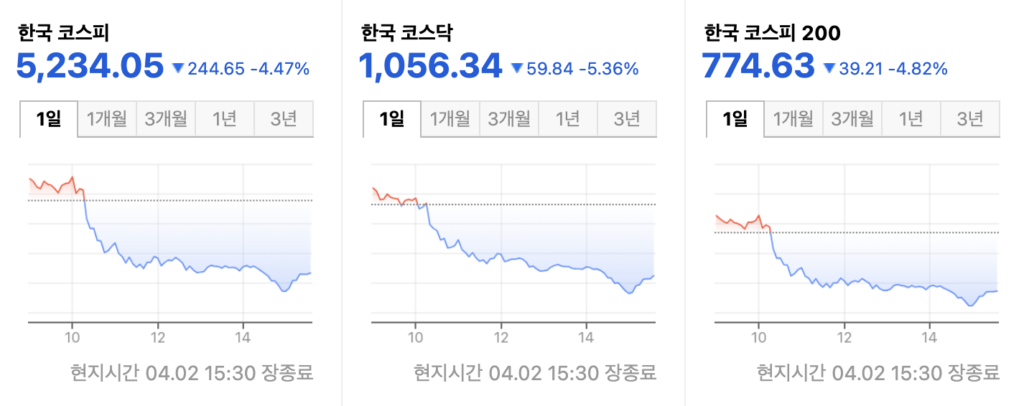
Korea Stock Market Wrap (April 2, 2026)

1. Market Overview

  • The April 2 market was shaped by a combination of rising geopolitical risk, imbalanced market flows, and sharp volatility
  • Rather than a simple pullback, it reflected a highly unstable environment where both external shocks and internal liquidity stress pressured sentiment
  • The broader index direction became less important than stock-specific and sector-specific performance

2. Escalating Geopolitical Risk

  • Hawkish remarks from former President Trump reignited concerns over Middle East tensions
  • Fears of military escalation increased as political uncertainty intensified
  • Reports involving military activity, including references to A-10 aircraft, deepened concerns that an actual clash could emerge over the weekend
  • As a result, investors leaned toward risk-off positioning rather than aggressive buying

3. Flow Imbalance and Forced Selling Risk

  • Market volatility became severe enough to trigger sidecars in both KOSPI and KOSDAQ for two consecutive days
  • A particularly concerning signal was that margin balances continued to rise even as the market declined
  • This suggests retail investors were maintaining or even increasing leveraged positions during the downturn
  • If the market falls further, this could lead to forced liquidation and margin calls, amplifying downside pressure
  • In other words, the main risk is not just falling prices, but the possibility of a deeper drop caused by leverage unwinding

4. Energy and Commodity Concerns

  • Middle East instability once again brought attention to the Strait of Hormuz risk
  • Potential disruption to oil and energy supply remains a burden on market sentiment
  • However, Korea may be somewhat protected in the short term through increased U.S. crude imports and possible pipeline rerouting by Middle Eastern producers
  • This means the energy risk is real, but not yet being interpreted as an immediate full-scale supply shock

5. Semiconductor View

  • Some parts of the market are raising concerns about a semiconductor peak-out
  • However, the more important factor is not the spot price but the contract price trend, which remains relatively solid
  • As long as earnings fundamentals stay intact, semiconductors are still seen as an area where buying on weakness may make sense
  • The key question is whether the recent correction reflects deteriorating fundamentals or excessive fear-driven discounting

6. Sectors in Focus

Defense / Aerospace

  • A sector supported by long-term structural growth
  • Geopolitical tension and rising global defense spending could help it outperform
  • Event-driven momentum such as the Artemis II mission may also support sentiment

Robotics

  • Tesla’s strategic shift and increasing focus on robotics may serve as a mid- to long-term catalyst
  • The theme could evolve beyond short-term speculation into a broader industrial transformation story

Secondary Batteries

  • The sector may regain attention from an energy security perspective
  • During market weakness, it could show relative resilience due to policy and strategic relevance
  • Still, a medium- to long-term approach appears more appropriate than short-term trading

7. Investment Strategy

  • This market favors a stock-picking environment rather than a broad index-driven rally
  • Excessive margin use and leverage should be avoided
  • Maintaining a certain level of cash and sticking to a phased buying strategy is important
  • Instead of chasing rebounds, investors may be better served by focusing on sectors and names backed by earnings visibility
  • The core strategy is clear: risk management, cash preservation, and selective accumulation

8. Final Take

  • On April 2, the market was pressured externally by Middle East geopolitical tensions and internally by rising leverage and distorted market flows
  • High volatility is likely to persist in the near term
  • Investors may need to focus less on the overall index and more on earnings quality, sector leadership, and balance-sheet resilience
  • The most practical response remains holding cash, reducing leverage, and buying in stages based on clear principles

2026년 04월02일 한국증시 마감 시황

1. 시장 분위기

  • 4월 2일 시장은 지정학적 리스크 확대, 수급 불안, 변동성 급등이 동시에 겹치며 투자심리가 크게 위축된 흐름
  • 단순한 조정이라기보다, 외부 변수와 내부 수급 리스크가 함께 작용한 불안정한 장세
  • 지수 방향성 자체보다도 개별 종목과 업종별 차별화가 더 중요해진 국면

2. 지정학적 리스크 심화

  • 트럼프 전 대통령의 강경 발언이 중동 긴장을 다시 자극
  • 군사 작전 가능성과 확전 우려가 부각되며 정치·외교 변수에 대한 경계심 확대
  • A-10 공격기 등 군사적 움직임 관련 보도가 이어지면서, 주말 동안 실제 충돌 가능성까지 시장이 반영
  • 이로 인해 투자자들은 공격적인 매수보다 리스크 회피에 무게를 둔 모습

3. 수급 불균형과 투매 우려

  • 코스피와 코스닥에서 이틀 연속 사이드카가 발동될 정도로 변동성이 극심
  • 지수가 하락하는 가운데 신용 잔고가 오히려 증가한 점은 매우 부담스러운 신호
  • 이는 개인 투자자들이 하락 구간에서도 레버리지 포지션을 유지하거나 확대했다는 의미로 해석 가능
  • 향후 지수가 추가 하락할 경우 반대매매 물량이 출회되며 낙폭이 더 커질 가능성 존재
  • 즉, 현재 시장은 가격 하락 자체보다도 하락 이후의 강제 청산 리스크가 더 위험한 국면

4. 에너지 및 원자재 변수

  • 중동 불안으로 인해 호르무즈 해협 리스크가 다시 부각
  • 원유 및 에너지 수급 차질 가능성은 시장 전반의 부담 요인
  • 다만 한국은 미국산 원유 수입 확대, 중동 산유국들의 우회 수송 가능성 등으로 단기 충격을 일부 방어할 수 있는 상황
  • 따라서 에너지 리스크는 분명 존재하지만, 당장 시장 전체를 붕괴시킬 정도의 공급 쇼크로 연결될 가능성은 제한적으로 해석됨

5. 반도체 시각

  • 시장 일각에서는 반도체 업황 피크아웃 논란이 제기되고 있음
  • 그러나 실제로는 스팟 가격보다 계약 단가 흐름이 더 중요하며, 여전히 견조한 수준이라는 분석
  • 실적 기반이 유지되는 한, 반도체는 단기 변동성 속에서도 저점 매수 관점이 유효한 업종으로 평가
  • 결국 주가 조정이 업황 훼손 때문인지, 아니면 시장 공포에 따른 과도한 할인인지 구분하는 것이 핵심

6. 관심 업종

방산 / 우주항공

  • 구조적 성장 기대가 살아 있는 섹터
  • 지정학적 긴장과 글로벌 방위비 확대 흐름 속에서 상대적 강세 가능성
  • 아르테미스 2호 등 이벤트 이슈도 투자심리를 자극할 수 있는 재료

로봇

  • 테슬라의 사업 전략 변화와 로봇 집중 기조가 중장기 모멘텀으로 해석
  • 단기 테마성 움직임을 넘어, 향후 산업 재편 기대가 반영될 가능성

2차전지

  • 에너지 안보 관점에서 다시 주목 가능
  • 시장이 흔들릴 때 정책적·산업적 명분이 있는 업종으로 상대 강세 기대
  • 다만 단기 수급보다는 중장기 관점 접근이 유효

7. 투자 전략

  • 지금 시장은 지수 전체 상승을 기대하기보다 종목별 실적과 체력 중심의 장세로 접근할 필요
  • 과도한 신용과 레버리지 사용은 매우 위험
  • 현금 비중을 일정 수준 유지하면서 분할 매수 원칙을 지키는 전략이 중요
  • 급락장에서 무리한 추격 매수보다, 실적이 뒷받침되는 업종과 종목을 선별하는 대응이 유리
  • 결국 핵심은 리스크 관리, 현금 보유, 실적 중심 선별 투자

8. 종합 정리

  • 4월 2일 시장은 외부적으로는 중동 지정학 리스크, 내부적으로는 신용 잔고 증가와 수급 왜곡이 동시에 부담으로 작용한 장세
  • 단기적으로는 높은 변동성이 이어질 가능성이 크며, 투자자들은 지수보다 업종과 개별 종목의 실적 경쟁력에 집중해야 하는 구간
  • 무리한 베팅보다는 현금 비중 확보, 분할 대응, 레버리지 축소가 가장 현실적인 대응 전략으로 판단됨

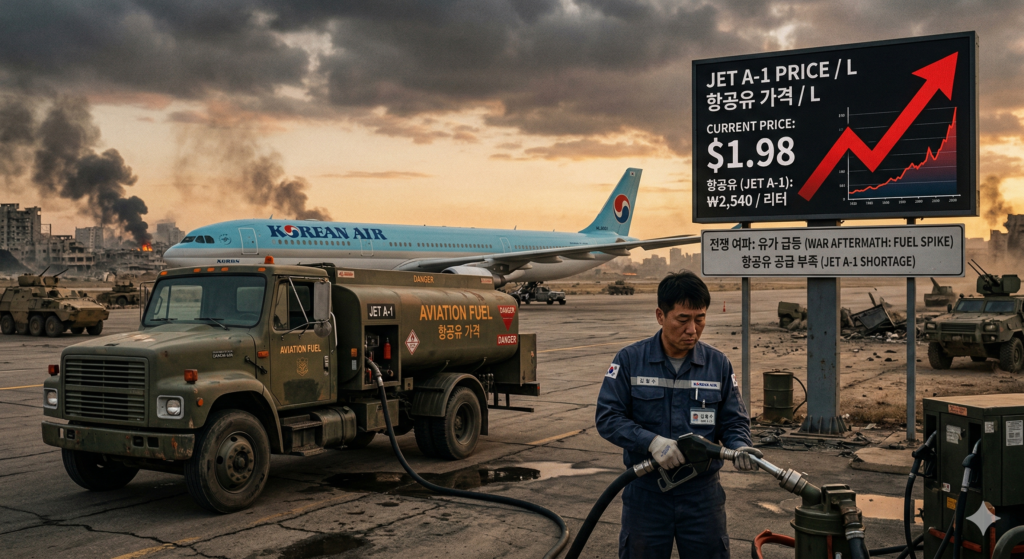
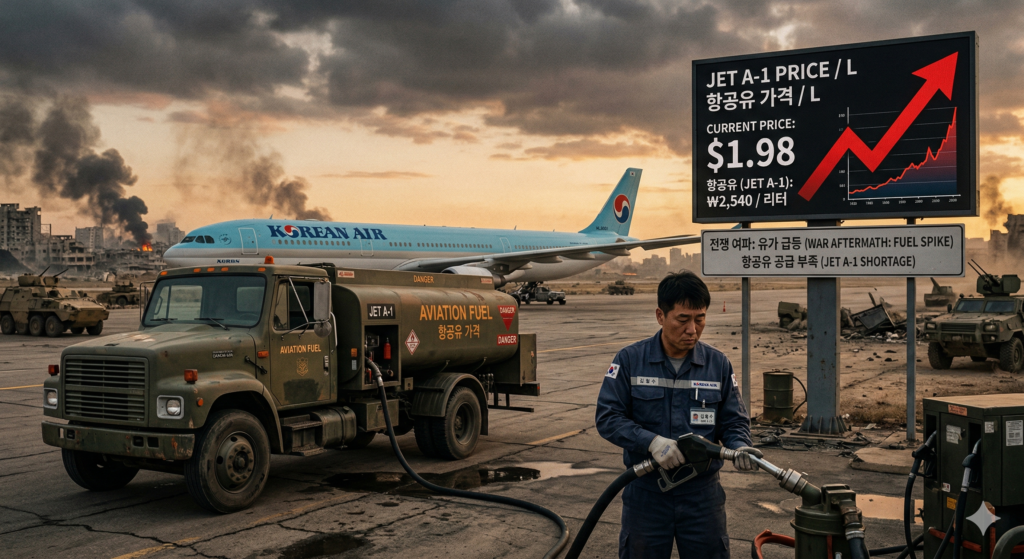
Why Is Jet Fuel So Expensive? — Wars, Detour Routes, and the Truth About Fuel Surcharges

There are structural reasons why jet fuel costs far more than ordinary petroleum products—and they go well beyond simple oil price fluctuations.

1. It’s hard to produce Only about 7–8% of crude oil naturally yields jet fuel during standard refining. The rest requires additional advanced processing equipment, making the base production cost inherently high.

2. Quality control is extremely demanding Aircraft fly at altitudes where temperatures drop below -50°C. Even trace amounts of moisture in the fuel can cause freezing accidents. This requires ultra-precise water removal and means jet fuel must be consumed within approximately two months of production to prevent oxidation. Unlike gasoline or diesel, which can be stockpiled for 3–6 months, jet fuel reacts faster and more sharply to any disruption in the supply chain.

3. Wars have blocked key flight corridors With Russian and Iranian airspace designated as no-fly zones, airlines have been forced onto longer detour routes. The Tokyo–Helsinki route, for example, now takes 12 hours instead of 9. Aircraft crowded into narrower corridors sometimes fly at lower altitudes, consuming significantly more fuel—creating a vicious cycle of increased demand.

4. Military demand crowds out civilian supply During wartime, military aircraft secure fuel regardless of cost or availability. This directly reduces the supply available to commercial airlines, deepening the supply-demand imbalance.

5. Consumers absorb the shock through fuel surcharges Rising jet fuel prices translate almost immediately into higher fuel surcharges on tickets. On U.S.-bound routes, surcharges have jumped by tens of thousands of Korean won within a single month, dramatically increasing the real cost burden on travelers.

6. Is the “ticketing date” standard fair? Fuel surcharges are currently calculated based on the date of ticket issuance, not the actual travel date. Yet fuel is consumed on the day of the flight. This raises a legitimate structural question: shouldn’t the fuel price on the day of actual consumption be the one that counts? This ambiguity makes the cost-sharing arrangement between airlines and passengers increasingly opaque.

Conclusion: Jet fuel behaves like a perishable product — it cannot be stockpiled. In a world of geopolitical instability, even a small mismatch between supply and demand can send prices soaring, and that cost ultimately lands in your airfare.

왜 항공유는 이렇게 비쌀까? — 전쟁, 우회 항로, 그리고 유류할증료의 진실

항공유가 유독 비싼 데는 단순한 유가 상승 이상의 구조적 이유가 있습니다.

1. 생산 자체가 어렵다 항공유는 원유를 정제할 때 자연적으로 얻을 수 있는 비율이 전체의 7~8%에 불과합니다. 나머지는 별도의 고도화 설비를 추가 가동해야 생산할 수 있어, 처음부터 생산 비용이 높을 수밖에 없습니다.

2. 품질 관리가 극도로 까다롭다 항공기는 영하 50도 이하의 고공을 비행하기 때문에, 연료 속 수분이 조금이라도 남아 있으면 결빙 사고로 이어질 수 있습니다. 이를 막기 위해 수분을 극도로 정밀하게 제거해야 하며, 산화 방지를 위해 제조 후 약 2개월 이내에 소비해야 합니다. 휘발유나 경유처럼 3~6개월씩 비축하는 것이 불가능하기 때문에, 항공유는 공급망에 작은 흔들림만 생겨도 가격이 가장 먼저, 가장 크게 반응하는 구조입니다.

3. 전쟁이 항로를 막았다 러시아와 이란 상공이 비행금지구역으로 설정되면서 수많은 항공기들이 우회 항로를 택하게 됐습니다. 예를 들어 도쿄~헬싱키 노선의 경우 비행 시간이 9시간에서 12시간으로 크게 늘었습니다. 우회 항로로 몰린 항공기들은 좁아진 공역에서 고도를 낮춰 운항해야 하는 경우도 생겨, 연료 소모가 평소보다 훨씬 많아지는 악순환이 반복되고 있습니다.

4. 군사 수요가 민간 공급을 잠식한다 전쟁 중에는 군용기가 가격과 무관하게 연료를 우선 확보합니다. 이로 인해 민간 항공사가 실제로 구입할 수 있는 항공유의 양 자체가 줄어들고, 수급 불균형이 심화됩니다.

5. 소비자는 유류할증료로 직격탄을 맞는다 항공유 가격 상승은 즉각적인 유류할증료 인상으로 연결됩니다. 미주 노선 기준으로 불과 한 달 사이에 수십만 원씩 오르는 사례도 있을 만큼, 소비자 체감 부담은 가파르게 증가하고 있습니다.

6. ‘발권일’ 기준, 공정한가? 현재 유류할증료는 실제 탑승일이 아닌 발권일을 기준으로 책정됩니다. 하지만 연료는 탑승 당일 소모됩니다. ‘연료를 실제로 쓰는 날의 유가가 반영되어야 공평하지 않느냐’는 구조적 의문이 제기되고 있으며, 이는 항공사와 소비자 사이의 비용 부담 문제를 더욱 불투명하게 만들고 있습니다.

결론: 항공유는 ‘쟁여둘 수 없는 신선식품’과 같습니다. 공급과 수요가 조금만 어긋나도 가격이 폭등할 수밖에 없는 취약한 구조 속에서, 국제 정세의 불안은 곧바로 우리 항공권 가격으로 전해집니다.

출처 : 언더스탠딩 https://www.youtube.com/watch?v=bzzWICXSybI

US Market Wrap (April 1, 2026)

📌 1. Geopolitics: Easing Middle East Tensions

  • Trump signaled the Iran conflict is nearing an end
  • Possible troop withdrawal within 2–3 weeks
  • Oil prices fell below $100 → improved market sentiment
  • However, uncertainty remains around the Strait of Hormuz and further conflicts
  • Some experts warn the rally could be temporary

📌 2. Economic Data: Resilient but Inflationary Pressure

  • Retail sales +0.6% → solid consumer demand
  • Private payrolls increased → stable labor market
  • Manufacturing PMI at 52.7 → expansion continues
  • Prices paid surged to 78.3 → highest since 2022
  • Rising input costs + supply chain issues → inflation concerns

📌 3. Sectors & Corporate Highlights

  • AI-driven rally lifted tech and semiconductor stocks
    • Micron, AMD gained
  • OpenAI funding news boosted AI sentiment
  • Nike:
    • Met earnings expectations
    • Weak China sales & poor guidance
    • Stock plunged ~15%

📌 4. Market Outlook & Strategy

  • Current rally = technical rebound from oversold levels
  • S&P 500 facing resistance near 200-day moving average
  • Trend reversal still uncertain
  • Next 4–5 days are critical
    → Dead-cat bounce vs new uptrend

2026년 4월1일 미국증시 마감 시황

📌 1. 지정학적 이슈: 중동 리스크 완화 기대

  • 트럼프 대통령이 이란과의 전쟁이 종료 단계에 진입했다고 언급
  • 2~3주 내 철수 가능성 시사 → 시장에 종전 기대감 반영
  • 유가 배럴당 100달러 하회 → 투자 심리 개선
  • 다만, 호르무즈 해협 재개방 및 군사 충돌 지속 여부는 여전히 불확실
  • 전문가들은 이번 상승을 ‘일시적 반등’으로 해석하는 시각도 존재

📌 2. 경제 지표: 견조하지만 인플레이션 부담 지속

  • 2월 소매판매 +0.6% → 소비 견조
  • 3월 민간 고용 증가 → 경기 안정 흐름 유지
  • 제조업 PMI 52.7 → 확장 국면 유지
  • 지불 가격 78.3 → 2022년 이후 최고 수준
  • 원자재 가격 상승 + 공급망 이슈 → 인플레이션 압력 확대

📌 3. 주요 섹터 및 기업 이슈

  • AI 투자 기대감 확대 → 반도체/기술주 강세
    • 마이크론, AMD 등 상승
  • 오픈AI 투자 유치 → AI 산업 성장 기대 강화
  • 나이키:
    • 실적은 예상 부합
    • 중국 매출 감소 + 가이던스 악화
    • 주가 약 -15% 급락

📌 4. 시장 흐름 및 투자 전략

  • 현재 상승은 과매도 이후 ‘기술적 반등’ 성격
  • S&P500 → 200일 이동평균선 부근 저항
  • 아직 추세 전환 여부는 불확실
  • 향후 4~5일이 중요
    → 단기 반등(데드캣 바운스) vs 추세 상승 판단 구간

Korea Stock Market Wrap (April 1, 2026)

📊 Market Wrap

  • Strong rally in Korean market → Exports + Geopolitical easing + Liquidity improvement
  • Exports (key driver) → Record $80B monthly exports → Semiconductor exports +151% ($32B) → Demand recovery + turnaround expectations
  • Geopolitical easing → Trump & Iran signal potential end of conflict → Reduced uncertainty → improved sentiment
  • Liquidity / flows → KRW stabilized around 1,500 → Institutions: ~KRW 4T net buying → Foreign investors: highest futures buying this year

📈 Sector Performance

  • Semiconductors (leader) → Samsung +13% / SK Hynix +10% → Led KOSPI recovery to 5,500 → Liquidity rally likely to continue
  • Construction / Nuclear → Middle East reconstruction theme → Daewoo E&C +24.9%, Hyundai / GS E&C 상승 → Nuclear: Doosan Enerbility focus
  • Aerospace → Artemis II 기대감 → SpaceX IPO momentum
  • Telecom equipment → Nvidia optical tech momentum

📌 Strategy

  • Market transition → Index-driven → stock-driven
  • Phase shift → Q1: large caps → Q2: earnings-driven differentiation
  • Risk → Geopolitical risks remain → Volatility persists
  • Action plan → Buy quality on dips → Focus: Semiconductors / Nuclear / Robotics → Maintain mid-long term view

2026년 04월01일 한국증시 마감 시황

📊 마감 시황

  • 국내 증시 강세 → 수출 호조 + 지정학적 리스크 완화 + 수급 개선 3가지 요인 동시 작용
  • 수출 지표 (핵심 상승 동력) → 월간 수출액 800억 달러 최초 돌파 → 반도체 수출 +151% (320억 달러) → 글로벌 수요 회복 + 업황 턴어라운드 기대 강화
  • 지정학적 리스크 완화 → 트럼프 & 이란 종전 가능성 언급 → 전쟁 불확실성 완화 → 투자심리 개선
  • 수급 개선 → 환율 1,500원대 안정 → 기관 약 4조 순매수 → 외국인 선물 연중 최대 매수 → 지수 상승 강하게 견인

📈 섹터별 흐름

  • 반도체 (주도 섹터) → 삼성전자 +13% / SK하이닉스 +10% → 코스피 5,500선 회복 견인 → 유동성 장세 연말까지 지속 가능성
  • 건설 / 원전 → 중동 재건 기대감 → 대우건설 +24.9%, 현대건설, GS건설 상승 → 원전: 두산에너빌리티 중심 관심 지속
  • 우주항공 → 아르테미스 2호 기대 → 스페이스X IPO 이슈
  • 통신 장비 → 엔비디아 광통신 기술 부각 → 시장 상승 흐름 동참

📌 향후 투자 전략

  • 시장 흐름 변화 → 지수 장세 → 종목 장세 전환 가능성
  • 구간별 특징 → 1분기: 대형주 중심 상승 → 2분기: 실적 기반 종목 차별화
  • 리스크 → 지정학적 리스크 완전 해소 아님 → 변동성 지속 가능
  • 대응 전략 → 급락 시 우량주 매수 → 반도체 / 원전 / 로봇 집중 → 중장기 관점 유지

US Market Wrap (March 31, 2026)

US Market Wrap (March 31, 2026)

1. Key Takeaways

  • Markets surged on easing Middle East war concerns
  • Magnificent 7 led the rally
  • The move was driven by sentiment + technical factors, not fundamentals
  • Geopolitical and inflation risks still remain

2. What Drove the Rally

(1) War De-escalation Hopes

  • Trump signaled ending the war without military reopening of the Strait of Hormuz
  • Iran stated it does not want war and is ready for a ceasefire

→ Both sides signaling de-escalation

→ Market interpretation:
Lower geopolitical risk → Lower oil spike risk → Risk-on sentiment


(2) Shift in Market Sentiment

  • Before: Fear of escalation and oil shock
  • Now: Possibility of war ending

→ Reduced uncertainty → Strong buying interest


3. Sector & Stock Leaders

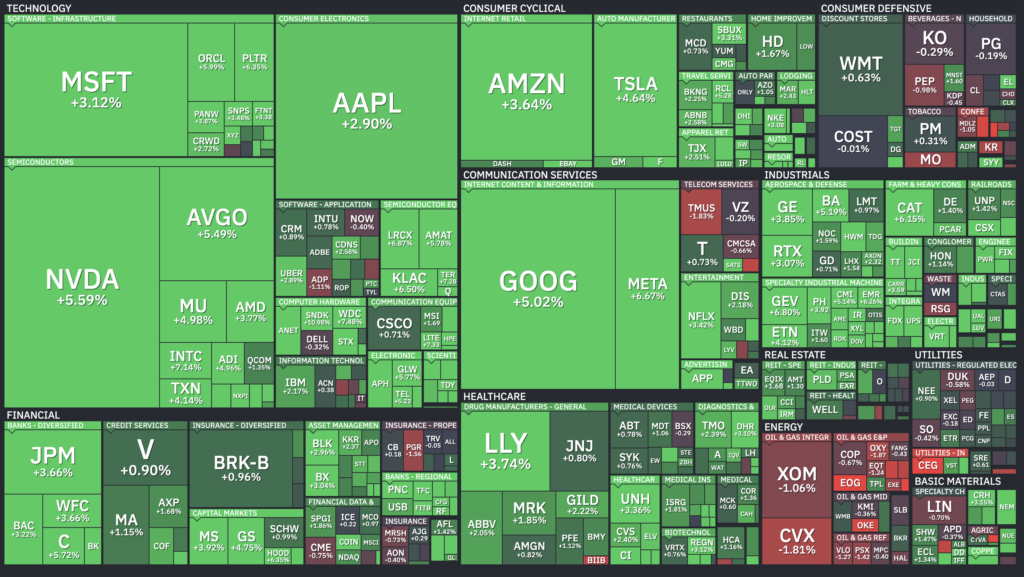
Magnificent 7 Rally

  • Meta +6.67%
  • Nvidia +5.59%
  • Other mega-cap tech stocks +3~6%

Why Tech Led

  • Recent pullback → valuation reset
  • Forward P/E dropped below 20x
  • AI growth narrative still intact

→ “Attractive valuation + reduced risk”


4. Economic Data Check

(1) Labor Market

  • JOLTS hiring rate: 3.1%
  • Back to early pandemic levels

→ Clear signs of cooling labor market


(2) Inflation Expectations

  • 12-month inflation expectations: 6.2% (spike)

→ Ongoing supply shock concerns
→ Inflation risk not fully contained


Interpretation

  • Slowing labor market + rising inflation expectations

→ Macro environment remains mixed
→ This rally is not driven by improving fundamentals


5. Technical Factors Behind the Move

(1) Pension Rebalancing

  • End of month / quarter
  • Institutional buying to rebalance portfolios

→ Strong downside support


(2) Short Squeeze

  • CTA funds forced to cover short positions
  • Accelerated buying pressure

→ Amplified upside momentum


6. Overall Assessment

Nature of the Rally

  • Combination of geopolitical relief + technical rebound

Positives

  • Reduced geopolitical risk
  • Attractive big tech valuations
  • Strong institutional flows

Risks

  • Iran nuclear issue unresolved
  • Strait of Hormuz uncertainty
  • Oil price volatility
  • Rising inflation expectations

7. One-Line Summary

This rally is a relief-driven and technically supported rebound, not yet a confirmed trend reversal.

2026년 03월31일 뉴욕증시 마감 시황

1. 핵심 요약

  • 중동 전쟁 리스크 완화 기대감 → 시장 급등
  • 매그니피센트7 중심으로 강한 반등
  • 상승은 펀더멘털 개선이 아닌 이벤트 + 수급 영향
  • 여전히 유가 및 지정학 리스크는 남아 있음

2. 시장 상승 원인

(1) 전쟁 종결 기대감

  • 트럼프: 호르무즈 해협 무력 없이 전쟁 종료 의지
  • 이란: 전쟁 원치 않으며 종전 준비 가능

→ 양측 모두 ‘확전 회피’ 시그널

→ 시장 해석:
전쟁 리스크 ↓ → 유가 안정 기대 → 리스크 자산 선호 회복


(2) 투자 심리 변화

  • 기존: 전쟁 확산 + 유가 상승 우려
  • 현재: 종전 가능성 반영

→ 불확실성 축소 → 매수 전환


3. 주도 섹터 및 종목

매그니피센트7 강세

  • 메타 +6.67%
  • 엔비디아 +5.59%
  • 기타 빅테크 3~6% 상승

상승 배경

  • 최근 조정 → 밸류에이션 부담 완화
  • PE 20배 이하 구간 진입
  • AI 성장 기대는 유지

→ “가격 메리트 + 리스크 완화” 조합


4. 경제 지표 체크

(1) 노동 시장

  • JOLTS 채용률: 3.1%
  • 팬데믹 초기 수준

→ 고용 시장 둔화 진행 중


(2) 인플레이션 기대

  • 12개월 기대 인플레이션: 6.2% 상승

→ 공급 충격 영향 지속
→ 물가 리스크 여전히 존재


해석

  • 고용 둔화 + 물가 상승 기대

→ 매크로 환경은 여전히 비우호적

→ 이번 상승은 펀더멘털 기반 아님


5. 기술적 수급 요인

(1) 연기금 리밸런싱

  • 월말 / 분기말
  • 주식 비중 확대 매수

→ 시장 하단 지지


(2) 숏 스퀴즈

  • CTA 공매도 포지션 청산
  • 강제 매수 발생

→ 상승폭 확대


6. 종합 판단

상승 성격

  • 전쟁 리스크 완화 기대 + 기술적 반등

긍정 요인

  • 지정학 리스크 완화 가능성
  • 빅테크 밸류 매력 부각
  • 강한 수급 유입

리스크 요인

  • 이란 핵 문제 지속
  • 호르무즈 해협 긴장 가능성
  • 유가 변동성
  • 인플레이션 기대 상승

7. 한 줄 결론

이번 상승은 안도 랠리 + 수급 반등이며, 아직 추세 전환으로 보기는 이르다.

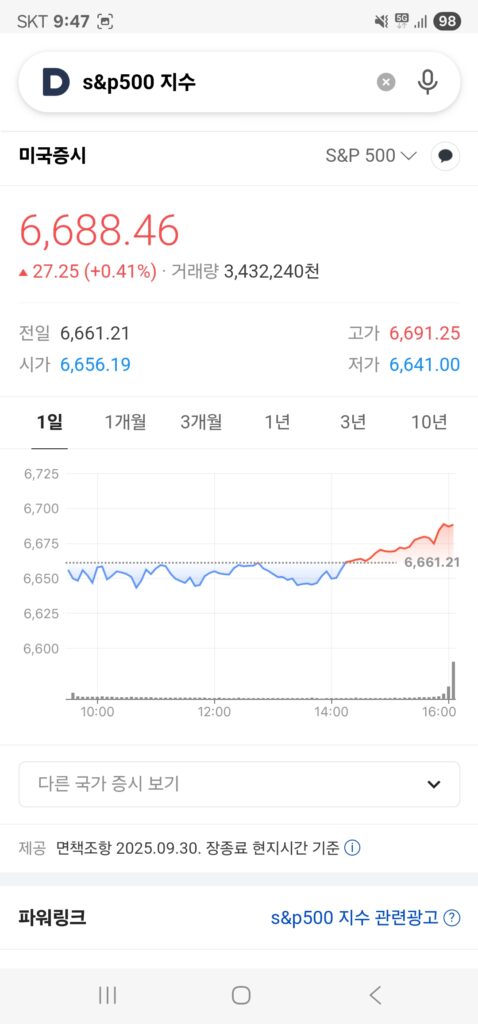
S&P 500 매수 챌린지 12일차 2025년 10월 2일

  • S&P 500 매수 챌린지

S&P500 지수 상승 시 : Tiger 미국 S&P500 2주 매수

S&P500 지수 하락 시 : Tiger 미국 S&P500 4주 매수

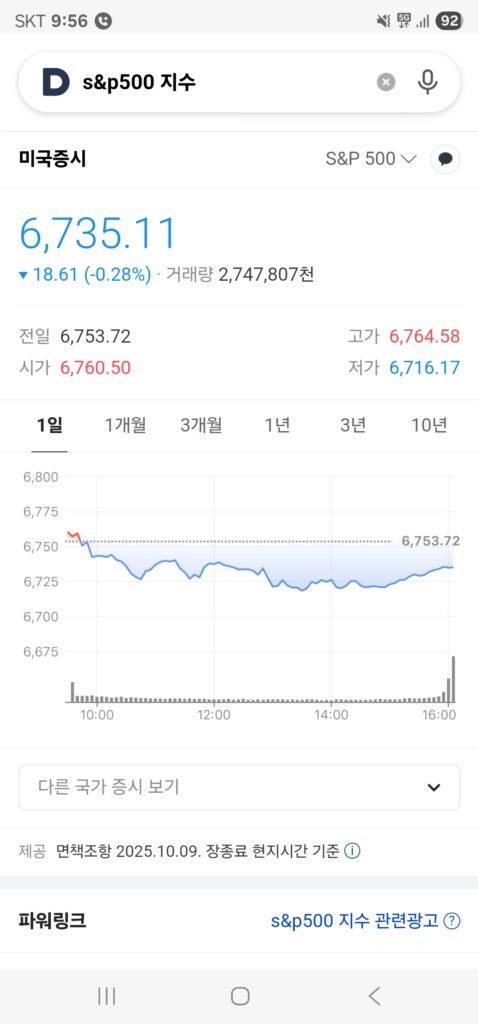
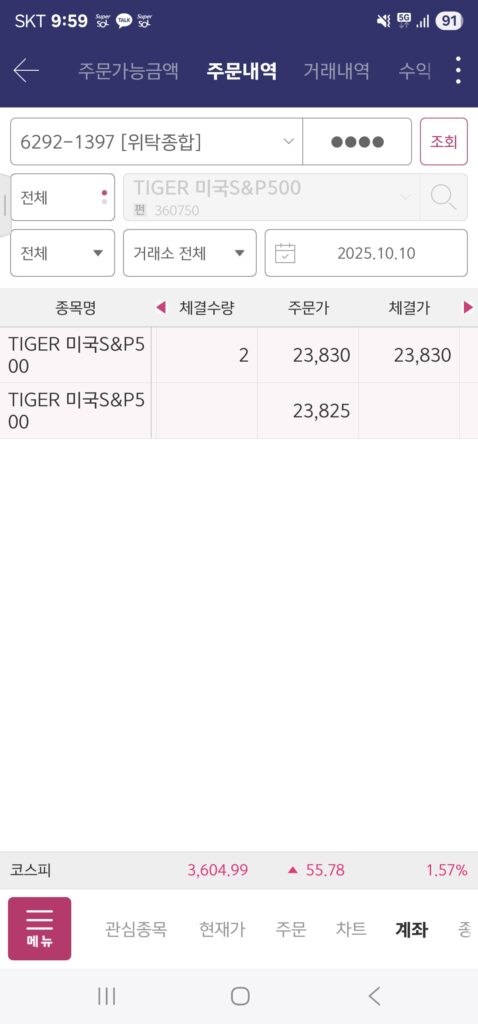
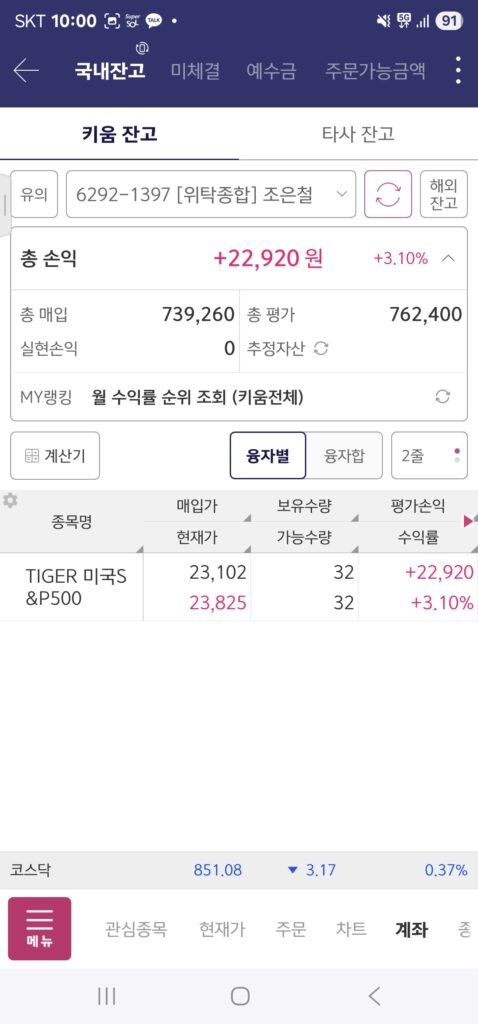
  • 2025년 10월 10일 13일차

매입 단가 : 23,830원

2주 매수

평균 단가 : 23,102원

S&P 500 매수 챌린지 12일차 2025년 10월 2일

  • S&P 500 매수 챌린지

S&P500 지수 상승 시 : Tiger 미국 S&P500 2주 매수

S&P500 지수 하락 시 : Tiger 미국 S&P500 4주 매수

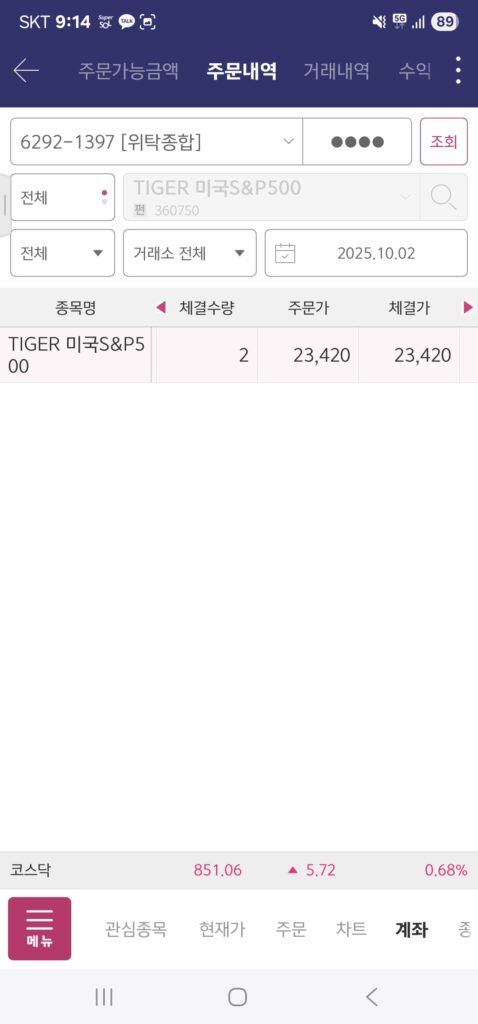
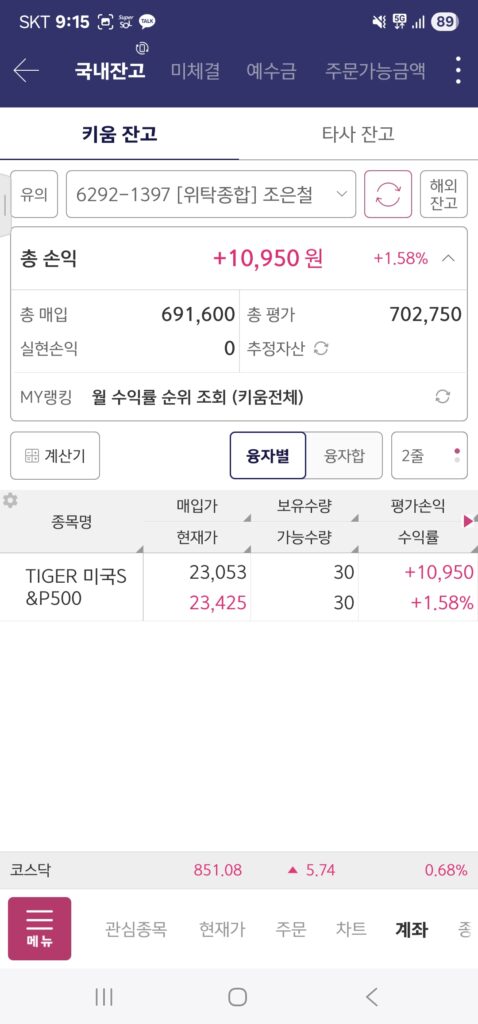
  • 2025년 10월 2일 12일차

매입 단가 : 23,420원

2주 매수

평균 단가 : 23,053원

S&P 500 매수 챌린지 11일차 2025년 10월 1일

  • S&P 500 매수 챌린지

S&P500 지수 상승 시 : Tiger 미국 S&P500 2주 매수

S&P500 지수 하락 시 : Tiger 미국 S&P500 4주 매수

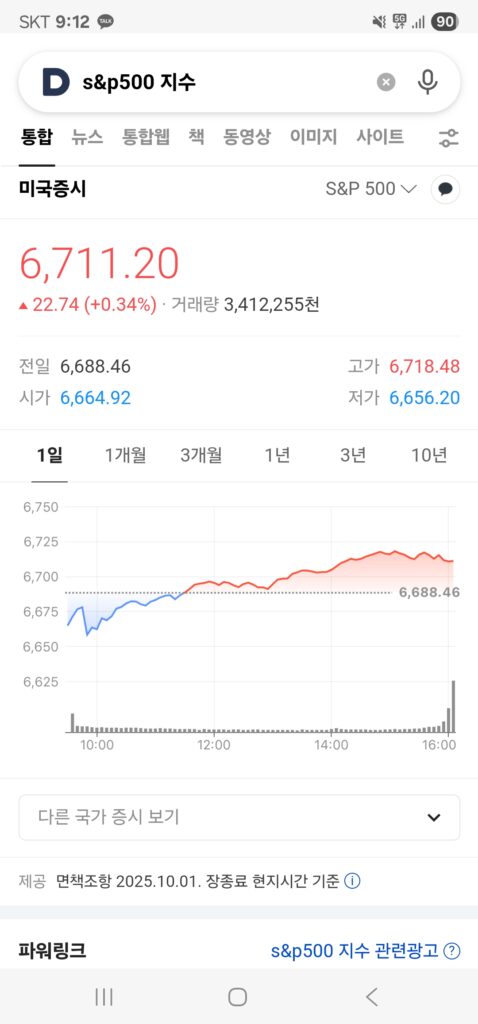
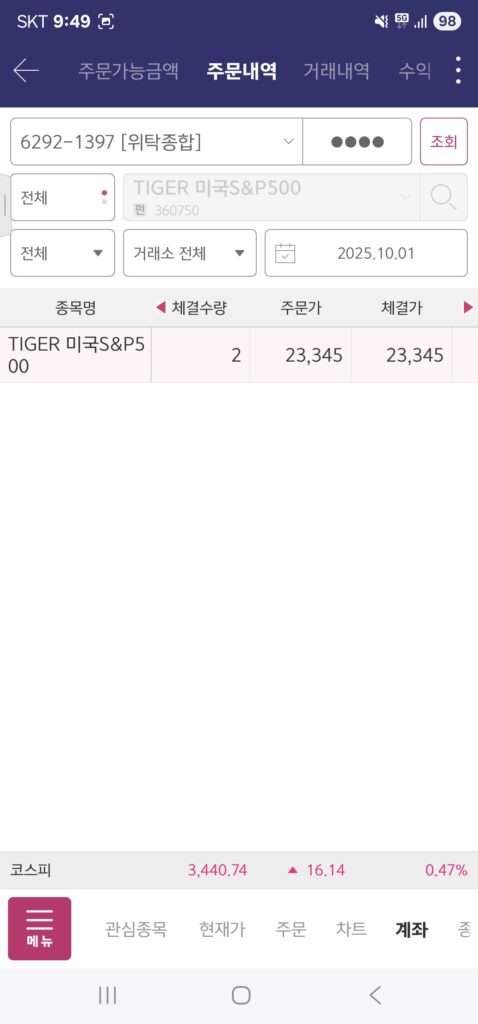
  • 2025년 10월 1일 11일차

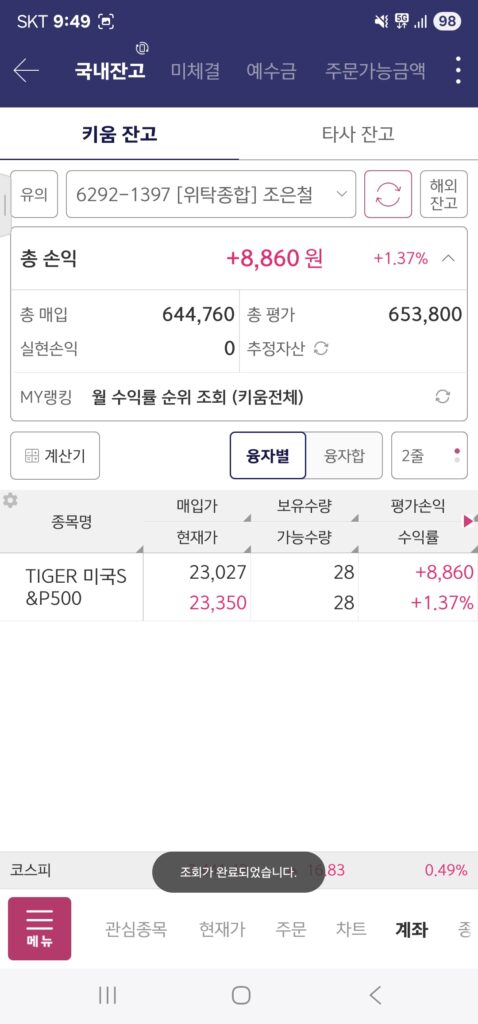
매입 단가 : 23,345원

2주 매수

평균 단가 : 23,027원

Factfulness – Why We Misunderstand the World, and How to See It Through Facts

A few years ago, I decided to read the book Factfulness.
Before opening it, I looked up the meaning of the word — “the quality of being faithful to facts.”
Even that definition alone struck me deeply.

We are surrounded by information every day, yet much of what we know is filtered through bias and distortion.
Factfulness challenges that distorted view of reality.
The book begins with a series of questions:
What percentage of children in the world are vaccinated?
How many years of education do women receive compared to men?

Surprisingly, most people score worse than random guessing on these questions.
In other words, we don’t actually see the world as it really is.
That’s where the book begins its journey — to uncover the truth behind our misconceptions.


Understanding the World in Four Levels

The author divides the world into four income levels based on daily earnings.

  • Level 1: less than $3 a day
  • Level 2: $2–$8 a day
  • Level 3: $8–$32 a day
  • Level 4: more than $32 a day

We often simplify the world into “developed” and “developing” countries, but reality is more nuanced.
The majority of humanity lives in Levels 2 and 3.
If you were born into Level 4, you are part of a small, privileged group — a fact worth recognizing and being grateful for.


Why We See the World Incorrectly

Factfulness delves deeply into the cognitive biases that shape our perception.
We often believe the world is getting worse because the media tends to highlight crises and disasters.
But data tells a different story.

Take airplane crashes, for example. They are rare, yet they dominate headlines.
Meanwhile, thousands of people die every day in car accidents — an everyday tragedy that barely makes the news.
Our brains are wired to pay attention to the dramatic and unusual, not the ordinary.

As a result, we perceive rare risks as common threats and underestimate gradual progress.
The author calls this the “dramatic instinct” — our tendency to exaggerate problems and view the world through fear rather than facts.


The Right Way to See Facts: Comparison and Context

The author emphasizes that context and comparison are essential when interpreting data.
Looking at one number in isolation can be misleading.
For example, even if the number of disease cases rises, the infection rate per capita might have actually decreased as the population grew.

True understanding requires seeing data from multiple perspectives.
The book also reminds us of the 80/20 principle — most problems stem from a small portion of causes.
By focusing on the 20% that matters most, we can make meaningful progress.


Humility and Curiosity — The Path to Truth

One of the book’s most powerful messages is that we must teach our children humility and curiosity.
Humility to accept that what we believe may be wrong,
and curiosity to continue seeking better answers.

We often think, “I’m right and you’re wrong.”
But as the author reminds us:

“What we believe to be true might not actually be true.”

Understanding that others act based on their own version of “truth” helps us develop empathy and open-mindedness.
The world becomes less about proving who’s right and more about learning from each other.


What Factfulness Teaches Us

Factfulness isn’t just a book about statistics or data — it’s about transforming the way we think.
It examines events like world wars, financial crises, pandemics, climate change, and global poverty, urging us to respond to these issues with calmness and clarity based on real facts.

Seeing the world optimistically doesn’t mean being naïve.
It means being a realistic optimist — hopeful, but grounded in evidence.


Conclusion: I Might Be Wrong — And That’s Okay

When I finished reading Factfulness, one simple realization stayed with me:

“I might be wrong.”

This thought made me humble.
It reminded me that what I perceive as truth may change with new information.
That awareness alone expands the way I see the world.

Factfulness taught me how to “see through facts.”
And that skill doesn’t just help me understand data —
it helps me understand life itself.
By thinking more objectively, I can design a more positive, grounded path forward.